

Gifting Made Simple
Give the Gift of ChoiceClick below to purchase a Pine Centre eGift Card that can be used at participating retailers at Pine Centre.Purchase HereHome
Indigenous Collective Rights Latin America: The Role of Coalitions, Constitutions, and Party Systems
Coles
Loading Inventory...
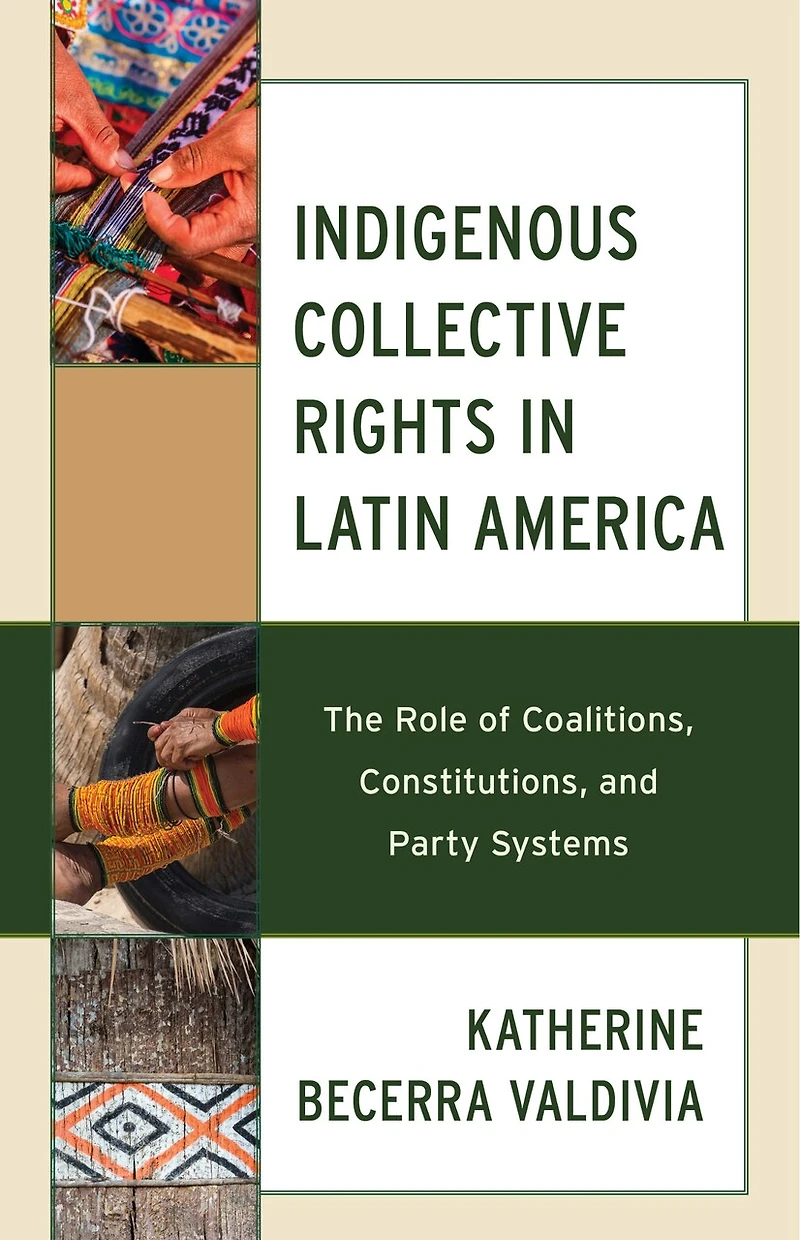
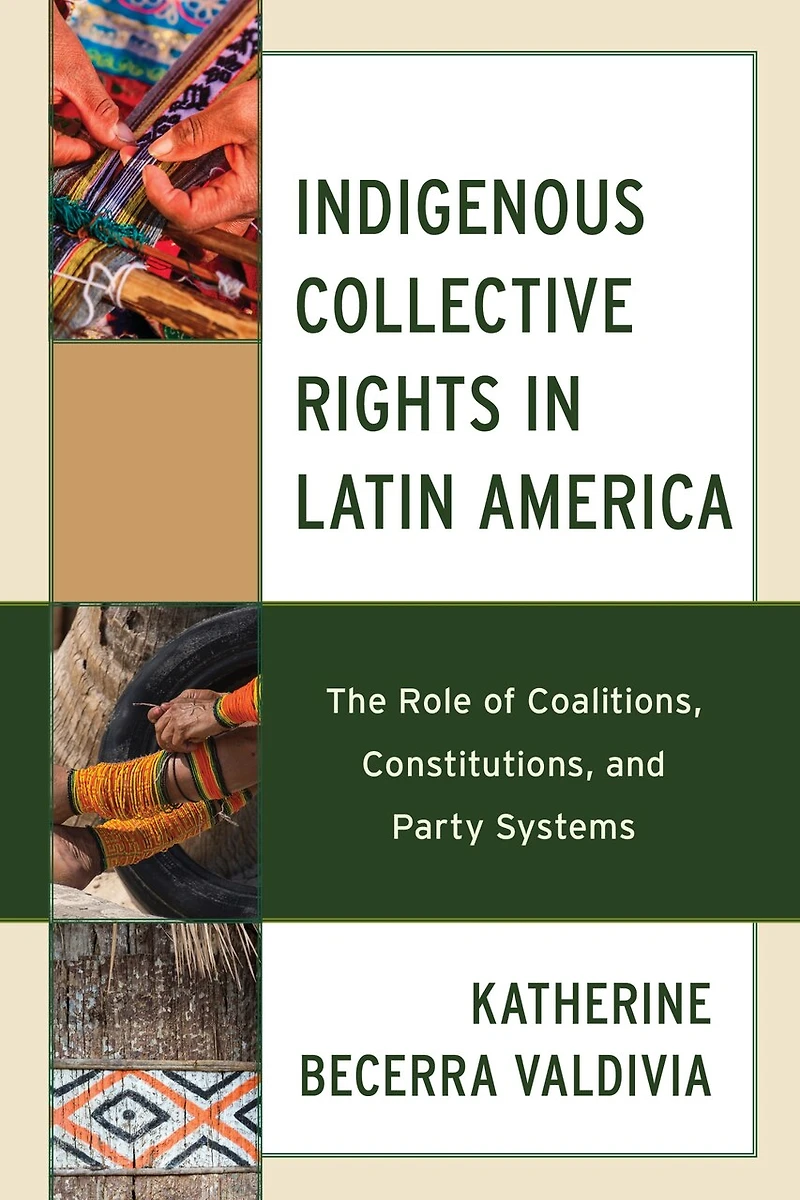
Indigenous Collective Rights Latin America: The Role of Coalitions, Constitutions, and Party Systems
By None
Current price: $160.95
Coles
Indigenous Collective Rights Latin America: The Role of Coalitions, Constitutions, and Party Systems
By None
Current price: $160.95
Loading Inventory...
Size: Hardcover
*Product information and pricing may vary - to confirm current pricing, availability, shipping, and return information please contact Coles. In the event of a pricing discrepancy, the retailer's price will apply.
Latin America is a region with high levels of recognition for Indigenous collective rights. Still, legal protections differ considerably among countries. Why do some countries in Latin America have a strong recognition of collective rights for Indigenous people while others do not? What are the factors that help enhance the presence of collective rights? The author argues that while Indigenous social movements are crucial to the protection of Indigenous rights, they are not enough. The recognition of these rights is influenced by organizational factors (such as coalitions between Indigenous peoples and non-Indigenous allies) as well as institutional conditions (including constitutional replacement and party systems). By employing qualitative comparative analysis (QCA) and case studies from Bolivia, Chile, Colombia, Ecuador, Guatemala, Mexico, and Peru, this book explores the ways various elements combine to create conditions for a variety of collective rights.
Latin America is a region with high levels of recognition for Indigenous collective rights. Still, legal protections differ considerably among countries. Why do some countries in Latin America have a strong recognition of collective rights for Indigenous people while others do not? What are the factors that help enhance the presence of collective rights? The author argues that while Indigenous social movements are crucial to the protection of Indigenous rights, they are not enough. The recognition of these rights is influenced by organizational factors (such as coalitions between Indigenous peoples and non-Indigenous allies) as well as institutional conditions (including constitutional replacement and party systems). By employing qualitative comparative analysis (QCA) and case studies from Bolivia, Chile, Colombia, Ecuador, Guatemala, Mexico, and Peru, this book explores the ways various elements combine to create conditions for a variety of collective rights.
You May Also Like







More About Coles at Pine Centre
Shop Coles for bestselling books, toys, stationary, and so much more!
3079 Massey Dr, Prince George, BC V2N 1R4, Canada
Find Coles at Pine Centre in Prince George, BC
Visit Coles at Pine Centre in Prince George, BC
