
Gifting Made Simple
Give the Gift of ChoiceClick below to purchase a Pine Centre eGift Card that can be used at participating retailers at Pine Centre.Purchase HereHome
Friendship without Borders: Women's Stories of Power, Politics, and Everyday Life across East West Germany
Coles
Loading Inventory...
Friendship without Borders: Women's Stories of Power, Politics, and Everyday Life across East West Germany
By None
Current price: $26.39
Original price: $32.99
Coles
Friendship without Borders: Women's Stories of Power, Politics, and Everyday Life across East West Germany
By None
Current price: $26.39
Original price: $32.99
Loading Inventory...
Size: Kobo eBook
*Product information and pricing may vary - to confirm current pricing, availability, shipping, and return information please contact Coles. In the event of a pricing discrepancy, the retailer's price will apply.
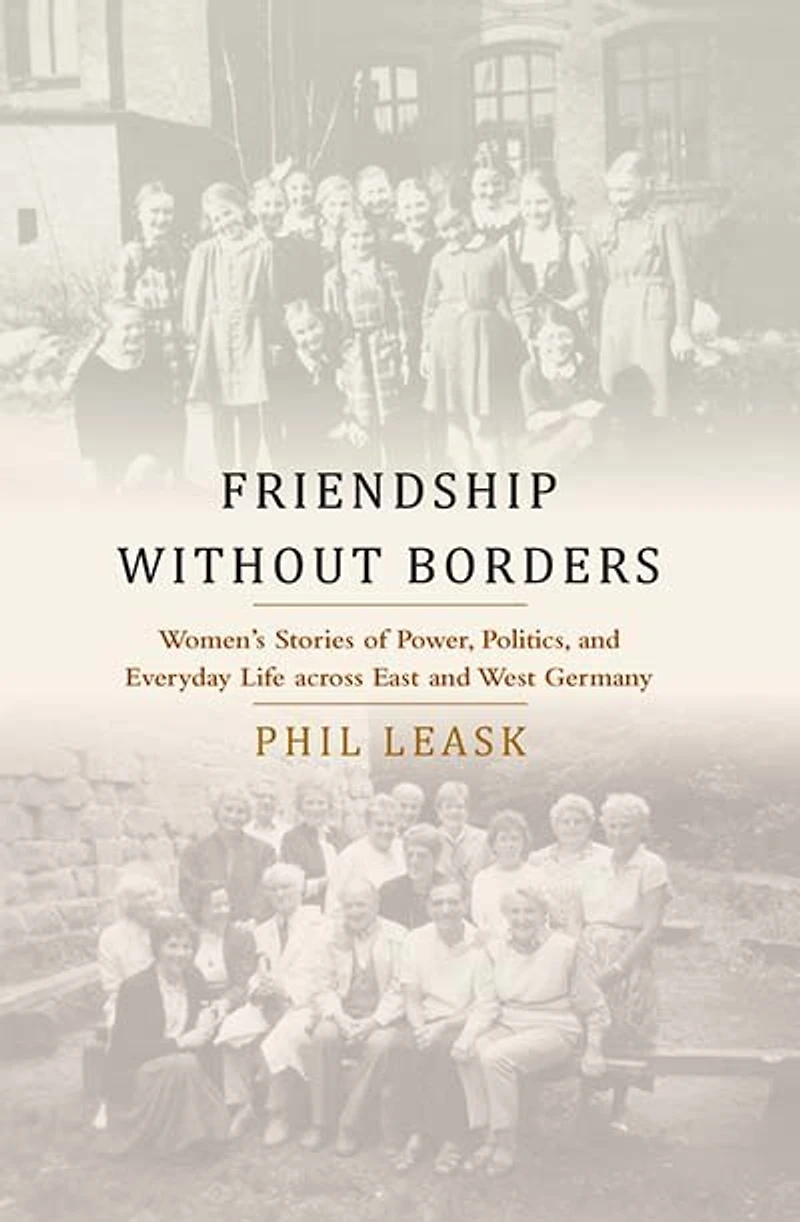
Across half a century, from the division of Germany through the end of the Cold War, a cohort of thirty women from the small German town of Schönebeck in what used to be the GDR circulated among themselves a remarkable collective archive of their lives: a Rundbrief , or bulletin, containing hundreds of letters and photographs. This book draws on that unprecedented resource, complemented by a set of interviews, to paint a rich portrait of “ordinary” life in postwar Germany. It shows how these women—whether reflecting on their experiences as Nazi-era schoolchildren or witnessing reunification—were united by their complex interactions with official power and their commitment to sustaining a shared German identity as they made the most of their everyday lives in both the GDR and the Federal Republic.
Across half a century, from the division of Germany through the end of the Cold War, a cohort of thirty women from the small German town of Schönebeck in what used to be the GDR circulated among themselves a remarkable collective archive of their lives: a Rundbrief , or bulletin, containing hundreds of letters and photographs. This book draws on that unprecedented resource, complemented by a set of interviews, to paint a rich portrait of “ordinary” life in postwar Germany. It shows how these women—whether reflecting on their experiences as Nazi-era schoolchildren or witnessing reunification—were united by their complex interactions with official power and their commitment to sustaining a shared German identity as they made the most of their everyday lives in both the GDR and the Federal Republic.
You May Also Like






More About Coles at Pine Centre
Shop Coles for bestselling books, toys, stationary, and so much more!
3079 Massey Dr, Prince George, BC V2N 1R4, Canada
Find Coles at Pine Centre in Prince George, BC
Visit Coles at Pine Centre in Prince George, BC
