
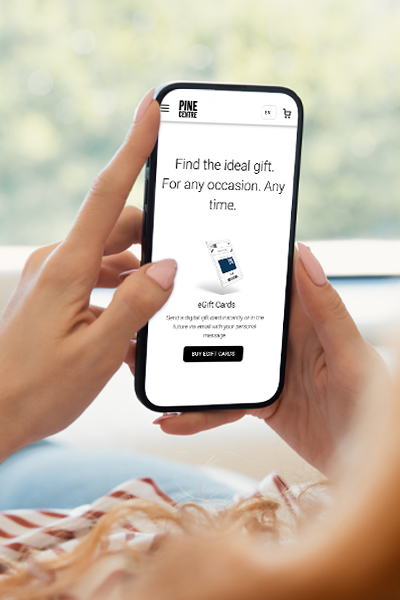
Gifting Made Simple
Give the Gift of ChoiceClick below to purchase a Pine Centre eGift Card that can be used at participating retailers at Pine Centre.Purchase HereHome
Forty Acres and a Mule: The Freedmen's Bureau Black Land Ownership
Coles
Loading Inventory...


Forty Acres and a Mule: The Freedmen's Bureau Black Land Ownership
By None
Current price: $25.59
Original price: $31.99
Coles
Forty Acres and a Mule: The Freedmen's Bureau Black Land Ownership
By None
Current price: $25.59
Original price: $31.99
Loading Inventory...
Size: Kobo eBook
*Product information and pricing may vary - to confirm current pricing, availability, shipping, and return information please contact Coles. In the event of a pricing discrepancy, the retailer's price will apply.
First published in 1978, Claude F. Oubre's Forty Acres and a Mule has since become a definitive study in the history of American Reconstruction. Drawing on a vast collection of government records and newspapers, Oubre examines what he sees as the crucial question of Reconstruction: Why were the far majority of freed slaves denied the opportunity to own land during the Reconstruction era, leaving them vulnerable to a persecution that strongly resembled slavery? Oubre recounts the struggle of black families to acquire land and how the U.S. government agency Freedmen's Bureau both served and obstructed them. This groundbreaking book offers an indispensable resource for anyone eager to understand the evolution of slavery studies.
First published in 1978, Claude F. Oubre's Forty Acres and a Mule has since become a definitive study in the history of American Reconstruction. Drawing on a vast collection of government records and newspapers, Oubre examines what he sees as the crucial question of Reconstruction: Why were the far majority of freed slaves denied the opportunity to own land during the Reconstruction era, leaving them vulnerable to a persecution that strongly resembled slavery? Oubre recounts the struggle of black families to acquire land and how the U.S. government agency Freedmen's Bureau both served and obstructed them. This groundbreaking book offers an indispensable resource for anyone eager to understand the evolution of slavery studies.
You May Also Like












More About Coles at Pine Centre
Shop Coles for bestselling books, toys, stationary, and so much more!
3079 Massey Dr, Prince George, BC V2N 1R4, Canada
Find Coles at Pine Centre in Prince George, BC
Visit Coles at Pine Centre in Prince George, BC
