

Gifting Made Simple
Give the Gift of ChoiceClick below to purchase a Pine Centre eGift Card that can be used at participating retailers at Pine Centre.Purchase HereHome
Food Addiction, Eating Addiction and Other Forms of Addictive-Like Eating Behavior
Coles
Loading Inventory...
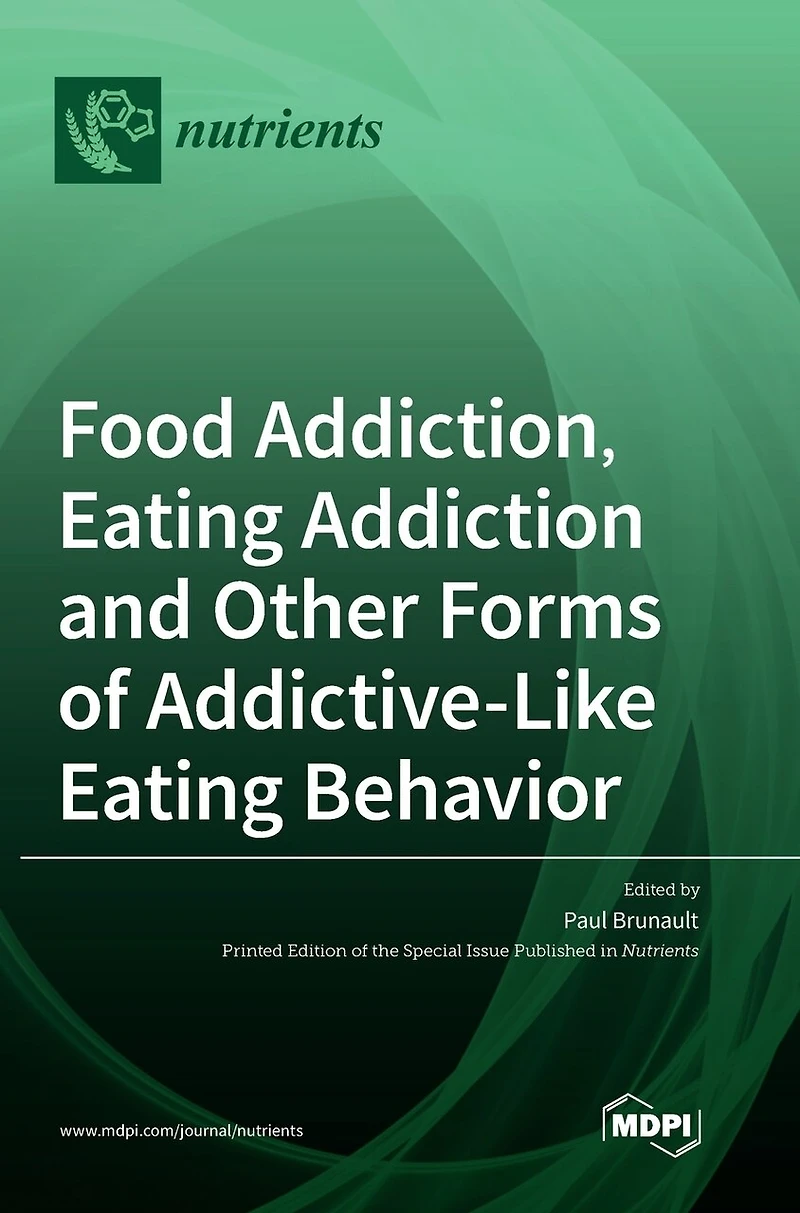
Food Addiction, Eating Addiction and Other Forms of Addictive-Like Eating Behavior
By None
Current price: $106.94
Coles
Food Addiction, Eating Addiction and Other Forms of Addictive-Like Eating Behavior
By None
Current price: $106.94
Loading Inventory...
Size: Hardcover
*Product information and pricing may vary - to confirm current pricing, availability, shipping, and return information please contact Coles. In the event of a pricing discrepancy, the retailer's price will apply.
There is growing evidence that among persons with disordered eating behavior, the identification of an "addictive-like eating" phenotype for some persons could be relevant and improve our ability to design better tailored interventions. This "addictive-like eating behavior" phenotype encompasses different terms or concepts, including "food addiction", "eating addiction", "compulsive eating behavior", and "food craving", but also applies to some persons with binge eating disorder, bulimia nervosa, anorexia nervosa, or binge eating symptoms. Although these terms may theoretically refer to different underlying causes or conceptualizations of addictive-like eating, all agree on the complex and multifaceted public health problem it represents and on the similarities it shares with other addictive disorders in terms of etiology, epidemiology, and treatment.Addictive-like eating behavior can deleteriously impact the patient's outcome and may lead to poorer weight loss evolution, increased prevalence of co-occurring medical and/or psychiatric disorders, and/or lower quality of life. One of the key challenges for the present and future research is to better identify this subpopulation of patients exhibiting this addictive-like eating phenotype, and to identify the psychological/psychiatric factors and biological mechanisms underlying this increased vulnerability to addictive-like eating. Such preliminary knowledge is crucial for enabling the development of interventions targeting these vulnerability risk factors and, ultimately, improving patient outcomes.
There is growing evidence that among persons with disordered eating behavior, the identification of an "addictive-like eating" phenotype for some persons could be relevant and improve our ability to design better tailored interventions. This "addictive-like eating behavior" phenotype encompasses different terms or concepts, including "food addiction", "eating addiction", "compulsive eating behavior", and "food craving", but also applies to some persons with binge eating disorder, bulimia nervosa, anorexia nervosa, or binge eating symptoms. Although these terms may theoretically refer to different underlying causes or conceptualizations of addictive-like eating, all agree on the complex and multifaceted public health problem it represents and on the similarities it shares with other addictive disorders in terms of etiology, epidemiology, and treatment.Addictive-like eating behavior can deleteriously impact the patient's outcome and may lead to poorer weight loss evolution, increased prevalence of co-occurring medical and/or psychiatric disorders, and/or lower quality of life. One of the key challenges for the present and future research is to better identify this subpopulation of patients exhibiting this addictive-like eating phenotype, and to identify the psychological/psychiatric factors and biological mechanisms underlying this increased vulnerability to addictive-like eating. Such preliminary knowledge is crucial for enabling the development of interventions targeting these vulnerability risk factors and, ultimately, improving patient outcomes.
You May Also Like











More About Coles at Pine Centre
Shop Coles for bestselling books, toys, stationary, and so much more!
3079 Massey Dr, Prince George, BC V2N 1R4, Canada
Find Coles at Pine Centre in Prince George, BC
Visit Coles at Pine Centre in Prince George, BC
