

Gifting Made Simple
Give the Gift of ChoiceClick below to purchase a Pine Centre eGift Card that can be used at participating retailers at Pine Centre.Purchase HereHome
Fighting The Good Fight: Story Of Dexter Avenue King Memorial Baptist Church, 1865-1977
Coles
Loading Inventory...
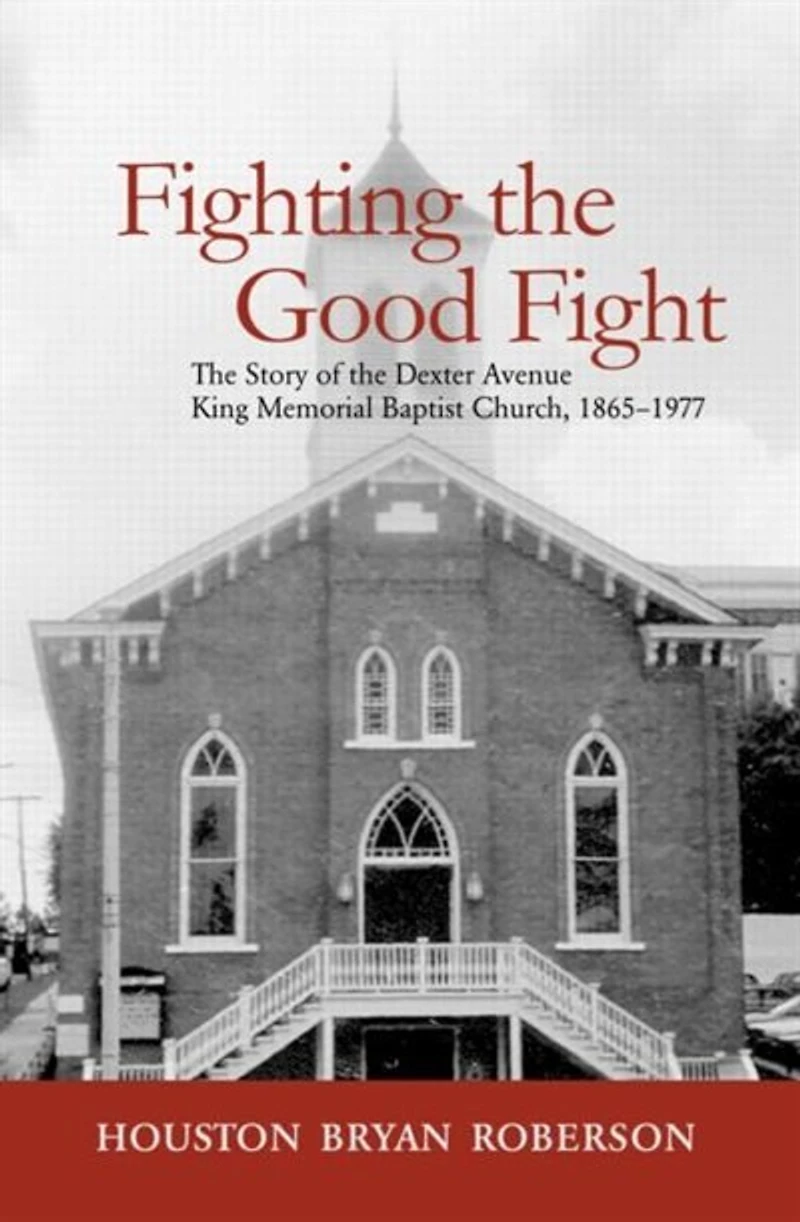
Fighting The Good Fight: Story Of Dexter Avenue King Memorial Baptist Church, 1865-1977
By None
Current price: $75.99
Coles
Fighting The Good Fight: Story Of Dexter Avenue King Memorial Baptist Church, 1865-1977
By None
Current price: $75.99
Loading Inventory...
Size: Kobo eBook
*Product information and pricing may vary - to confirm current pricing, availability, shipping, and return information please contact Coles. In the event of a pricing discrepancy, the retailer's price will apply.
The Dexter Avenue King Memorial Church played an important role in the Civil Rights movement-it was the backbone of the Montgomery bus boycott, which served as a model for other grassroots demonstrations and which also propelled Martin Luther King, Jr. into the national spotlight.
Roberson chronicles five generations in the life of this congregation. He uses it as a lens through which to explore how the church functioned as a formative social, cultural, and political institution within a racially fractured and continually shifting cultural and civil landscape. Roberson highlights some of the prominent figures associated with the church, such as Martin Luther King, Jr., as well as some of the less prominent figures--for example the many women whose organizational efforts sustained the church.
The Dexter Avenue King Memorial Church played an important role in the Civil Rights movement-it was the backbone of the Montgomery bus boycott, which served as a model for other grassroots demonstrations and which also propelled Martin Luther King, Jr. into the national spotlight.
Roberson chronicles five generations in the life of this congregation. He uses it as a lens through which to explore how the church functioned as a formative social, cultural, and political institution within a racially fractured and continually shifting cultural and civil landscape. Roberson highlights some of the prominent figures associated with the church, such as Martin Luther King, Jr., as well as some of the less prominent figures--for example the many women whose organizational efforts sustained the church.
You May Also Like














More About Coles at Pine Centre
Shop Coles for bestselling books, toys, stationary, and so much more!
3079 Massey Dr, Prince George, BC V2N 1R4, Canada
Find Coles at Pine Centre in Prince George, BC
Visit Coles at Pine Centre in Prince George, BC
