

Gifting Made Simple
Give the Gift of ChoiceClick below to purchase a Pine Centre eGift Card that can be used at participating retailers at Pine Centre.Purchase HereHome
Fictions of Evidence: Witnessing, Literature, and Community the Late Middle Ages
Coles
Loading Inventory...
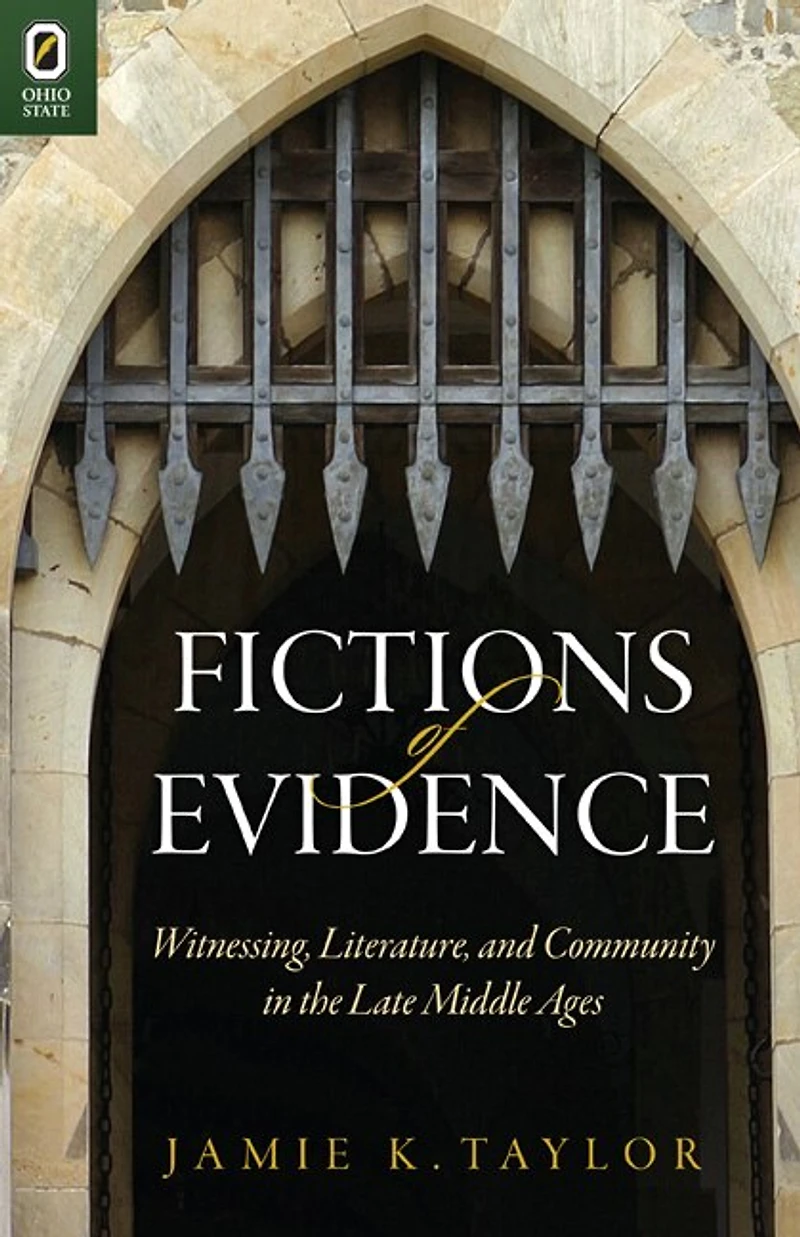
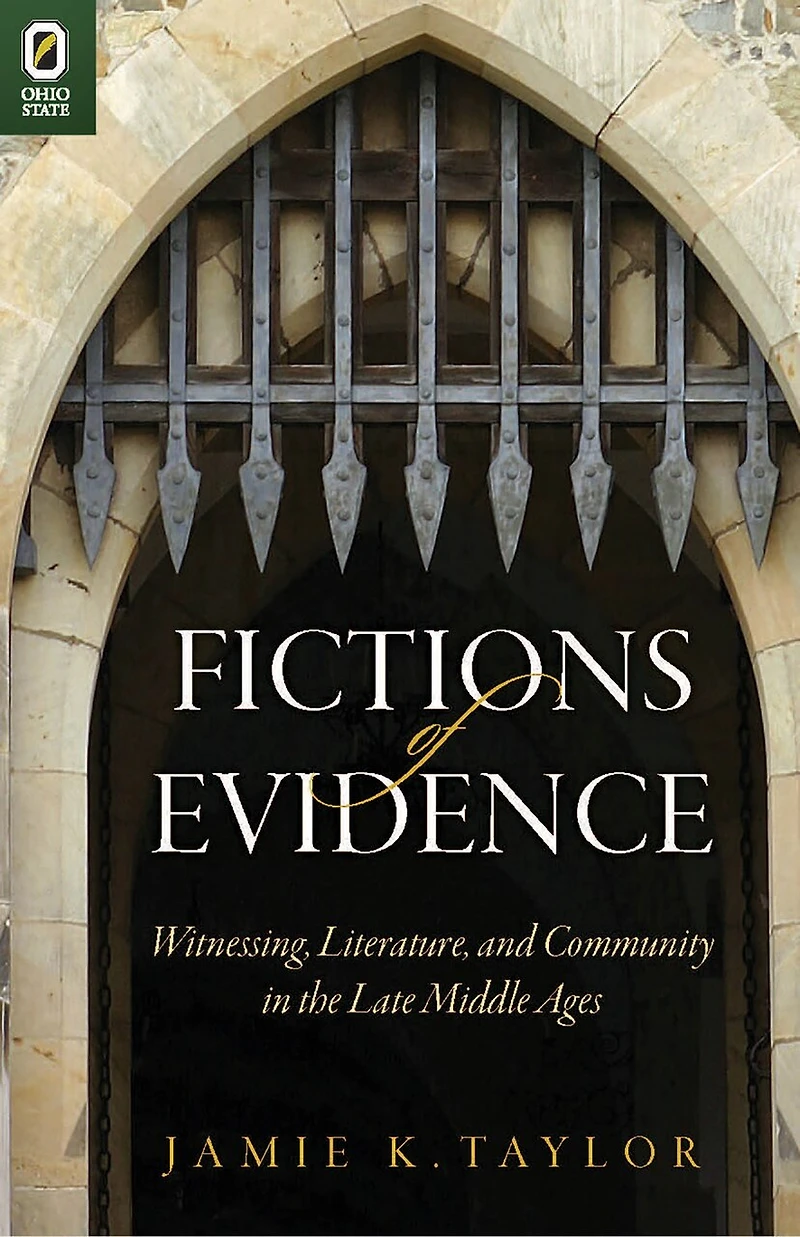
Fictions of Evidence: Witnessing, Literature, and Community the Late Middle Ages
By None
Current price: $98.95
Coles
Fictions of Evidence: Witnessing, Literature, and Community the Late Middle Ages
By None
Current price: $98.95
Loading Inventory...
Size: Hardcover
*Product information and pricing may vary - to confirm current pricing, availability, shipping, and return information please contact Coles. In the event of a pricing discrepancy, the retailer's price will apply.
Throughout the Middle Ages, witnessing was a crucial way religious and legal “truths” were understood and produced. Religious and secular officials alike harnessed the power of testimony to assert doctrinal, political, or legal responsibilities. Swearing an oath, testifying in court, and signing a deposition were common ways to shape and discipline both devotional and legal communities. In Fictions of Evidence: Witnessing, Literature, and Community in the Late Middle Ages, Jamie K. Taylor traces depictions of witnessing in a wide range of late medieval texts and shows how witnessing practices formed and reformed, policed and challenged medieval communities.
Through close study of texts like the Man of Law’s Tale and Piers Plowman alongside sermon exempla, common law statutes, and pastoral treatises, Fictions of Evidence argues that vernacular literature was a vital site of criticism and dissent. It shows that devotional and legal witnessing practices offered medieval writers a distinct vocabulary they could use to expose how the ethical and legal obligations to one’s community were constructed. And since vernacular writers often challenged the ways ecclesiastical or secular authorities asserted community bonds, they found they could use those same witnessing practices and language to imagine extra-legal or extra-ecclesiastical communities that followed different ethical codes.
Throughout the Middle Ages, witnessing was a crucial way religious and legal “truths” were understood and produced. Religious and secular officials alike harnessed the power of testimony to assert doctrinal, political, or legal responsibilities. Swearing an oath, testifying in court, and signing a deposition were common ways to shape and discipline both devotional and legal communities. In Fictions of Evidence: Witnessing, Literature, and Community in the Late Middle Ages, Jamie K. Taylor traces depictions of witnessing in a wide range of late medieval texts and shows how witnessing practices formed and reformed, policed and challenged medieval communities.
Through close study of texts like the Man of Law’s Tale and Piers Plowman alongside sermon exempla, common law statutes, and pastoral treatises, Fictions of Evidence argues that vernacular literature was a vital site of criticism and dissent. It shows that devotional and legal witnessing practices offered medieval writers a distinct vocabulary they could use to expose how the ethical and legal obligations to one’s community were constructed. And since vernacular writers often challenged the ways ecclesiastical or secular authorities asserted community bonds, they found they could use those same witnessing practices and language to imagine extra-legal or extra-ecclesiastical communities that followed different ethical codes.
You May Also Like











More About Coles at Pine Centre
Shop Coles for bestselling books, toys, stationary, and so much more!
3079 Massey Dr, Prince George, BC V2N 1R4, Canada
Find Coles at Pine Centre in Prince George, BC
Visit Coles at Pine Centre in Prince George, BC
