

Gifting Made Simple
Give the Gift of ChoiceClick below to purchase a Pine Centre eGift Card that can be used at participating retailers at Pine Centre.Purchase HereHome
Exploring Vladimir Nabokov’s Creative Universe: Themes and Devices
Coles
Loading Inventory...
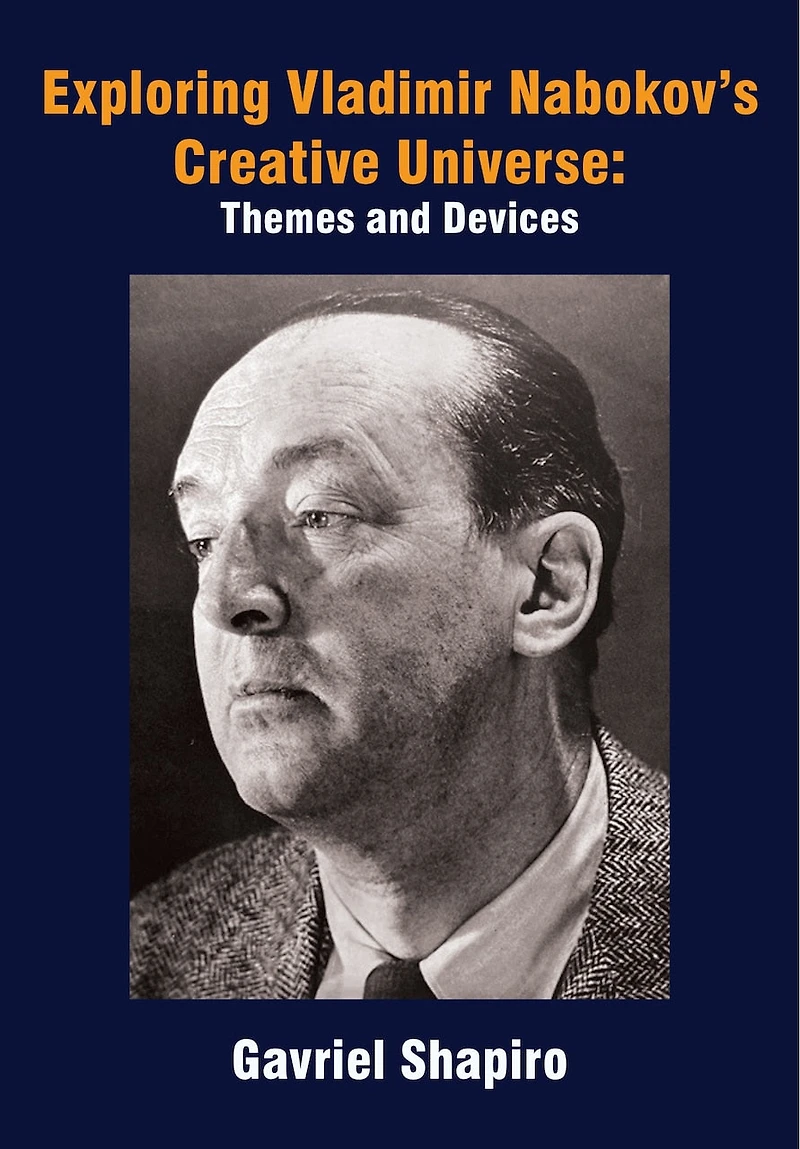
Exploring Vladimir Nabokov’s Creative Universe: Themes and Devices
By None
Current price: $129.99
Coles
Exploring Vladimir Nabokov’s Creative Universe: Themes and Devices
By None
Current price: $129.99
Loading Inventory...
Size: Hardcover
*Product information and pricing may vary - to confirm current pricing, availability, shipping, and return information please contact Coles. In the event of a pricing discrepancy, the retailer's price will apply.
Exploring Vladimir Nabokov’s Creative Universe offers a fresh perspective on certain aspects of Nabokov’s creative universe. The analysis begins with the writer’s faith, viewed as the bedrock of his ethics. Consequently, all other themes discussed in Part I, from moral dilemmas to cruelty to animals, emanate from this source and intertwine into a unique moral system. A moralist but not a moralizer, Nabokov encouraged his readers, with whom he conducts a creative dialogue, to form their own opinions and to accept moral responsibility for their actions. While the themes studied in Part I reflect Nabokov’s unique moral code, the devices examined in Part II, from chromesthesia and iconicity to upside-down, highlight the writer’s desire to present a novel outlook on the surrounding world. Thus, Nabokov’s use of heretofore unexplored conceit showcases his extraordinary imaginative prowess, by dint of which he strives to surprise and to engage his readers more intensely. Furthermore, by forging highly intricate and astounding connections between different spheres of experience and knowledge, Nabokov motivated his audience to think outside the box and to make their own meaningful and unforgettable discoveries.
Exploring Vladimir Nabokov’s Creative Universe offers a fresh perspective on certain aspects of Nabokov’s creative universe. The analysis begins with the writer’s faith, viewed as the bedrock of his ethics. Consequently, all other themes discussed in Part I, from moral dilemmas to cruelty to animals, emanate from this source and intertwine into a unique moral system. A moralist but not a moralizer, Nabokov encouraged his readers, with whom he conducts a creative dialogue, to form their own opinions and to accept moral responsibility for their actions. While the themes studied in Part I reflect Nabokov’s unique moral code, the devices examined in Part II, from chromesthesia and iconicity to upside-down, highlight the writer’s desire to present a novel outlook on the surrounding world. Thus, Nabokov’s use of heretofore unexplored conceit showcases his extraordinary imaginative prowess, by dint of which he strives to surprise and to engage his readers more intensely. Furthermore, by forging highly intricate and astounding connections between different spheres of experience and knowledge, Nabokov motivated his audience to think outside the box and to make their own meaningful and unforgettable discoveries.
You May Also Like










More About Coles at Pine Centre
Shop Coles for bestselling books, toys, stationary, and so much more!
3079 Massey Dr, Prince George, BC V2N 1R4, Canada
Find Coles at Pine Centre in Prince George, BC
Visit Coles at Pine Centre in Prince George, BC
