

Gifting Made Simple
Give the Gift of ChoiceClick below to purchase a Pine Centre eGift Card that can be used at participating retailers at Pine Centre.Purchase HereHome
Epistemic Ambivalence: Pentecostalism and Candomble a Brazilian City
Coles
Loading Inventory...
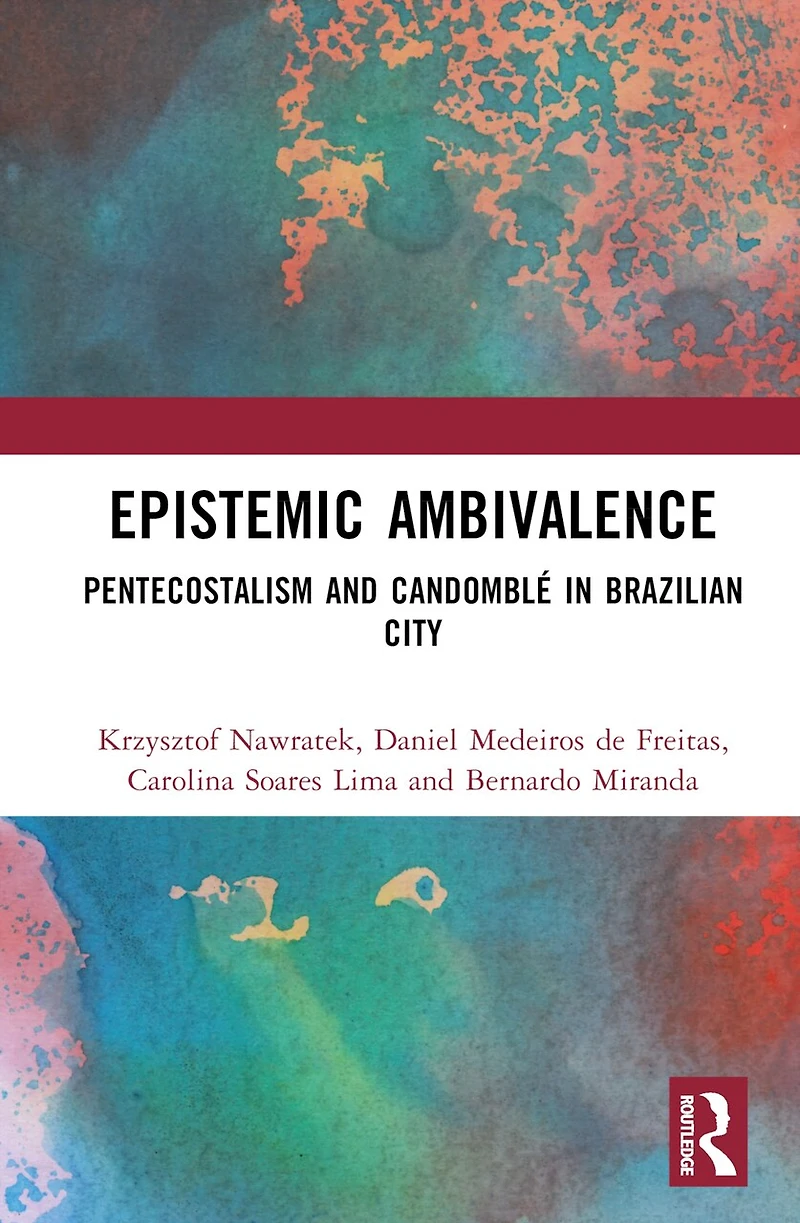
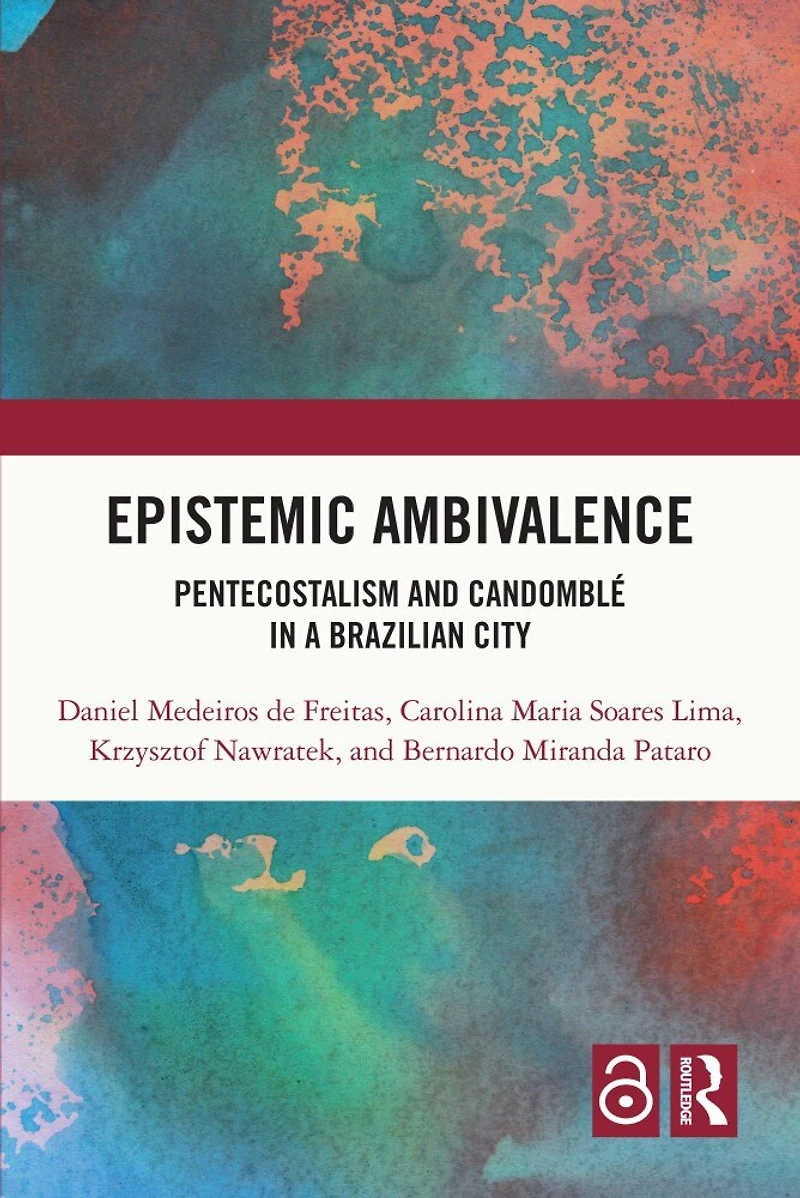
Epistemic Ambivalence: Pentecostalism and Candomble a Brazilian City
By None
Current price: $296.50
Coles
Epistemic Ambivalence: Pentecostalism and Candomble a Brazilian City
By None
Current price: $296.50
Loading Inventory...
Size: Hardcover
*Product information and pricing may vary - to confirm current pricing, availability, shipping, and return information please contact Coles. In the event of a pricing discrepancy, the retailer's price will apply.
This book delves into the complex relationship between religious imaginaries and the perception of space among followers of Candomblé and Pentecostal churches in Belo Horizonte, Brazil's third-largest urban agglomeration. It adopts a dual perspective, examining the broader political, economic, and social dimensions of these religious communities' urbanisation and spatial distribution and their members' individual beliefs and behaviours. Through this approach, the book aims to provide a nuanced and insider's view of these religious positions, challenging our preconceived notions of urban spaces and contributing to the larger discussion of decolonial urban theory and spatialised post-secular thought. This transdisciplinary book will appeal to a broad range of researchers, particularly those interested in urban and religious studies. Its strong spatial perspective makes it attractive to architects and urban designers. It will be of interest to those in human geography, urban planning, design, architecture, political science, religious studies, and culture studies. The Open Access version of this book, available at http://www.taylorfrancis.com, has been made available under a Creative Commons Attribution-Non Commercial (CC-BY-NC) 4.0 license.
This book delves into the complex relationship between religious imaginaries and the perception of space among followers of Candomblé and Pentecostal churches in Belo Horizonte, Brazil's third-largest urban agglomeration. It adopts a dual perspective, examining the broader political, economic, and social dimensions of these religious communities' urbanisation and spatial distribution and their members' individual beliefs and behaviours. Through this approach, the book aims to provide a nuanced and insider's view of these religious positions, challenging our preconceived notions of urban spaces and contributing to the larger discussion of decolonial urban theory and spatialised post-secular thought. This transdisciplinary book will appeal to a broad range of researchers, particularly those interested in urban and religious studies. Its strong spatial perspective makes it attractive to architects and urban designers. It will be of interest to those in human geography, urban planning, design, architecture, political science, religious studies, and culture studies. The Open Access version of this book, available at http://www.taylorfrancis.com, has been made available under a Creative Commons Attribution-Non Commercial (CC-BY-NC) 4.0 license.
You May Also Like










More About Coles at Pine Centre
Shop Coles for bestselling books, toys, stationary, and so much more!
3079 Massey Dr, Prince George, BC V2N 1R4, Canada
Find Coles at Pine Centre in Prince George, BC
Visit Coles at Pine Centre in Prince George, BC
