

Gifting Made Simple
Give the Gift of ChoiceClick below to purchase a Pine Centre eGift Card that can be used at participating retailers at Pine Centre.Purchase HereHome
Divorce, American Style: Fighting For Women's Economic Citizenship The Neoliberal Era
Coles
Loading Inventory...
Divorce, American Style: Fighting For Women's Economic Citizenship The Neoliberal Era
By None
Current price: $71.50
Coles
Divorce, American Style: Fighting For Women's Economic Citizenship The Neoliberal Era
By None
Current price: $71.50
Loading Inventory...
Size: Hardcover
*Product information and pricing may vary - to confirm current pricing, availability, shipping, and return information please contact Coles. In the event of a pricing discrepancy, the retailer's price will apply.
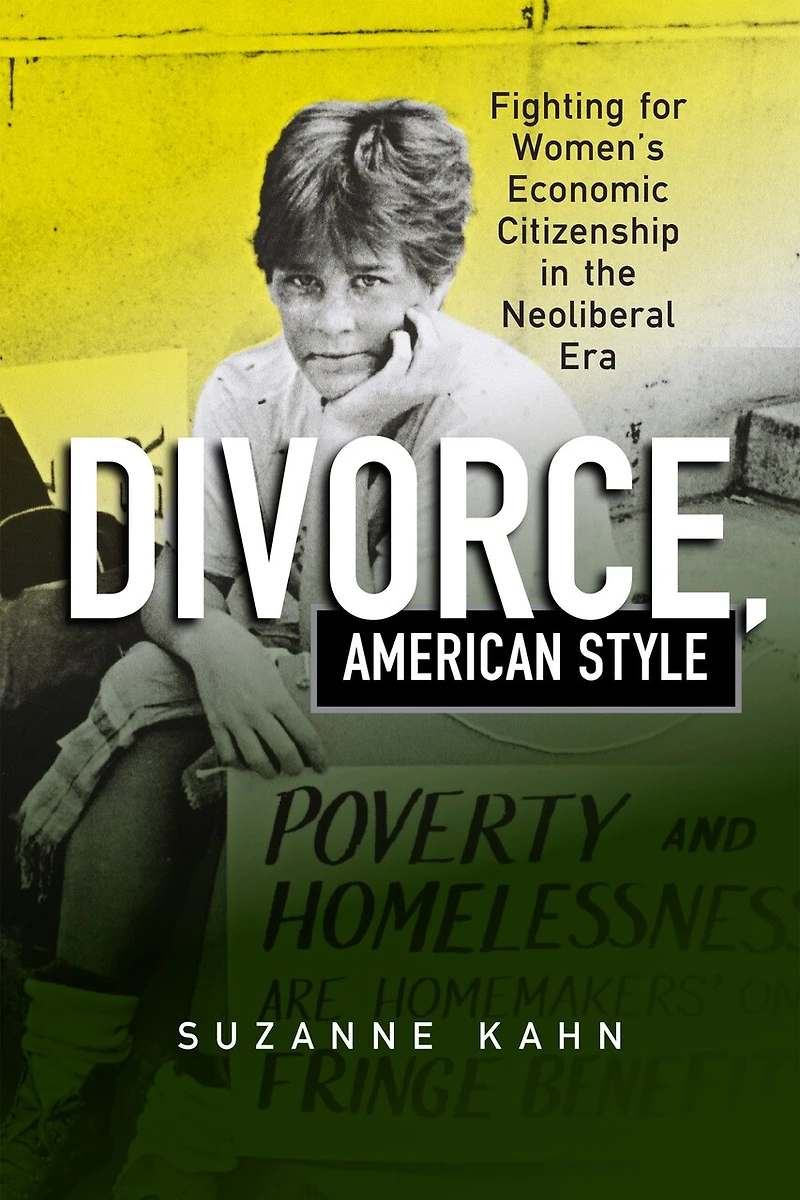
In the 1970s, the divorce rate in the United States doubled, and longtime homemakers suddenly found themselves at risk of poverty, not only because their husband's job was their sole source of income, but also because their insurance, retirement, and credit worthiness were all tied to their spouse's employment. Divorce, American Style examines how newly divorced women and policymakers responded to the crisis that rising divorce rates created for American society.
Suzanne Kahn shows that, ironically, rising divorce rates led to policies that actually strengthened the social insurance system's use of marriage to determine eligibility for benefits. Large numbers of newly divorced women quickly realized their invisibility within the American welfare state, which did not distribute benefits to most women directly but rather through their husbands. These newly divorced women organized themselves into a political force, and they were remarkably successful in securing legislation designed to address divorced women's needs. But this required significant compromise with policymakers, and these new laws specifically rewarded intact marriages, providing more robust benefits to women in longer marriages. These incentives remain in place today. Indeed, in the thirty years since this legislative compromise, activists' efforts to grapple with the legal system created out of this crisis have affected such high-profile debates as the fight over the Affordable Care Act and the battle for marriage equality.
Divorce, American Style contests the frequent claim that marriage has become a more flexible legal status over time. Enduring ideas about marriage and the family continue to have a powerful effect on the structure of a wide range of social programs in the United States.
In the 1970s, the divorce rate in the United States doubled, and longtime homemakers suddenly found themselves at risk of poverty, not only because their husband's job was their sole source of income, but also because their insurance, retirement, and credit worthiness were all tied to their spouse's employment. Divorce, American Style examines how newly divorced women and policymakers responded to the crisis that rising divorce rates created for American society.
Suzanne Kahn shows that, ironically, rising divorce rates led to policies that actually strengthened the social insurance system's use of marriage to determine eligibility for benefits. Large numbers of newly divorced women quickly realized their invisibility within the American welfare state, which did not distribute benefits to most women directly but rather through their husbands. These newly divorced women organized themselves into a political force, and they were remarkably successful in securing legislation designed to address divorced women's needs. But this required significant compromise with policymakers, and these new laws specifically rewarded intact marriages, providing more robust benefits to women in longer marriages. These incentives remain in place today. Indeed, in the thirty years since this legislative compromise, activists' efforts to grapple with the legal system created out of this crisis have affected such high-profile debates as the fight over the Affordable Care Act and the battle for marriage equality.
Divorce, American Style contests the frequent claim that marriage has become a more flexible legal status over time. Enduring ideas about marriage and the family continue to have a powerful effect on the structure of a wide range of social programs in the United States.
You May Also Like









More About Coles at Pine Centre
Shop Coles for bestselling books, toys, stationary, and so much more!
3079 Massey Dr, Prince George, BC V2N 1R4, Canada
Find Coles at Pine Centre in Prince George, BC
Visit Coles at Pine Centre in Prince George, BC
