

Gifting Made Simple
Give the Gift of ChoiceClick below to purchase a Pine Centre eGift Card that can be used at participating retailers at Pine Centre.Purchase HereHome
Disjunctivism: Disjunctive Accounts in Epistemology and in the Philosophy of Perception
Coles
Loading Inventory...
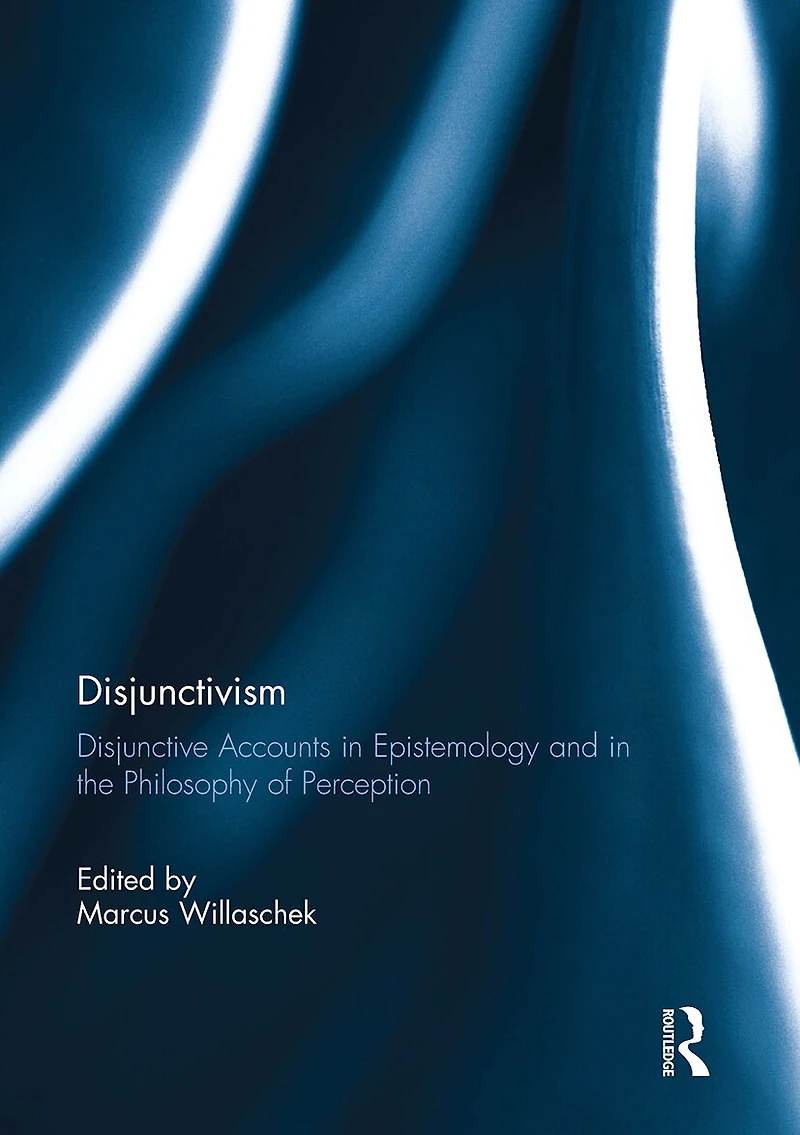
Disjunctivism: Disjunctive Accounts in Epistemology and in the Philosophy of Perception
By None
Current price: $84.50
Coles
Disjunctivism: Disjunctive Accounts in Epistemology and in the Philosophy of Perception
By None
Current price: $84.50
Loading Inventory...
Size: Paperback
*Product information and pricing may vary - to confirm current pricing, availability, shipping, and return information please contact Coles. In the event of a pricing discrepancy, the retailer's price will apply.
Does perception provide us with direct and unmediated access to the world around us? The so-called 'argument from illusion ' has traditionally been supposed to show otherwise: from the subject's point of view, perceptual illusions are often indistinguishable from veridical perceptions; hence, perceptual experience, as such, cannot provide us with knowledge of the world, but only with knowledge of how things appear to us. Disjunctive accounts of perceptual experience, first proposed by John McDowell and Paul Snowdon in the early 1980s and at the centre of current debates in the philosophy of perception, have been proposed to block this argument. According to the traditional view, a case of perception and a subjectively indistinguishable illusion or hallucination can exemplify what is fundamentally the same kind of mental state even though they differ in how they relate to the non-mental environment. In contrast, according to the disjunctive account, the concept of perceptual experience should be seen as essentially disjunctive, encompassing (at least) two distinct kinds of mental states, namely genuinely world-involving perceptions and mere appearances. This book presents seven recent essays on disjunctivism first published in two special issues of Philosophical Explorations: An International Journal for the Philosophy of Mind and Action.
Does perception provide us with direct and unmediated access to the world around us? The so-called 'argument from illusion ' has traditionally been supposed to show otherwise: from the subject's point of view, perceptual illusions are often indistinguishable from veridical perceptions; hence, perceptual experience, as such, cannot provide us with knowledge of the world, but only with knowledge of how things appear to us. Disjunctive accounts of perceptual experience, first proposed by John McDowell and Paul Snowdon in the early 1980s and at the centre of current debates in the philosophy of perception, have been proposed to block this argument. According to the traditional view, a case of perception and a subjectively indistinguishable illusion or hallucination can exemplify what is fundamentally the same kind of mental state even though they differ in how they relate to the non-mental environment. In contrast, according to the disjunctive account, the concept of perceptual experience should be seen as essentially disjunctive, encompassing (at least) two distinct kinds of mental states, namely genuinely world-involving perceptions and mere appearances. This book presents seven recent essays on disjunctivism first published in two special issues of Philosophical Explorations: An International Journal for the Philosophy of Mind and Action.
You May Also Like










More About Coles at Pine Centre
Shop Coles for bestselling books, toys, stationary, and so much more!
3079 Massey Dr, Prince George, BC V2N 1R4, Canada
Find Coles at Pine Centre in Prince George, BC
Visit Coles at Pine Centre in Prince George, BC
