

Gifting Made Simple
Give the Gift of ChoiceClick below to purchase a Pine Centre eGift Card that can be used at participating retailers at Pine Centre.Purchase HereHome
Disagreeing despite the Data: Destruction of Factual Commons
Coles
Loading Inventory...

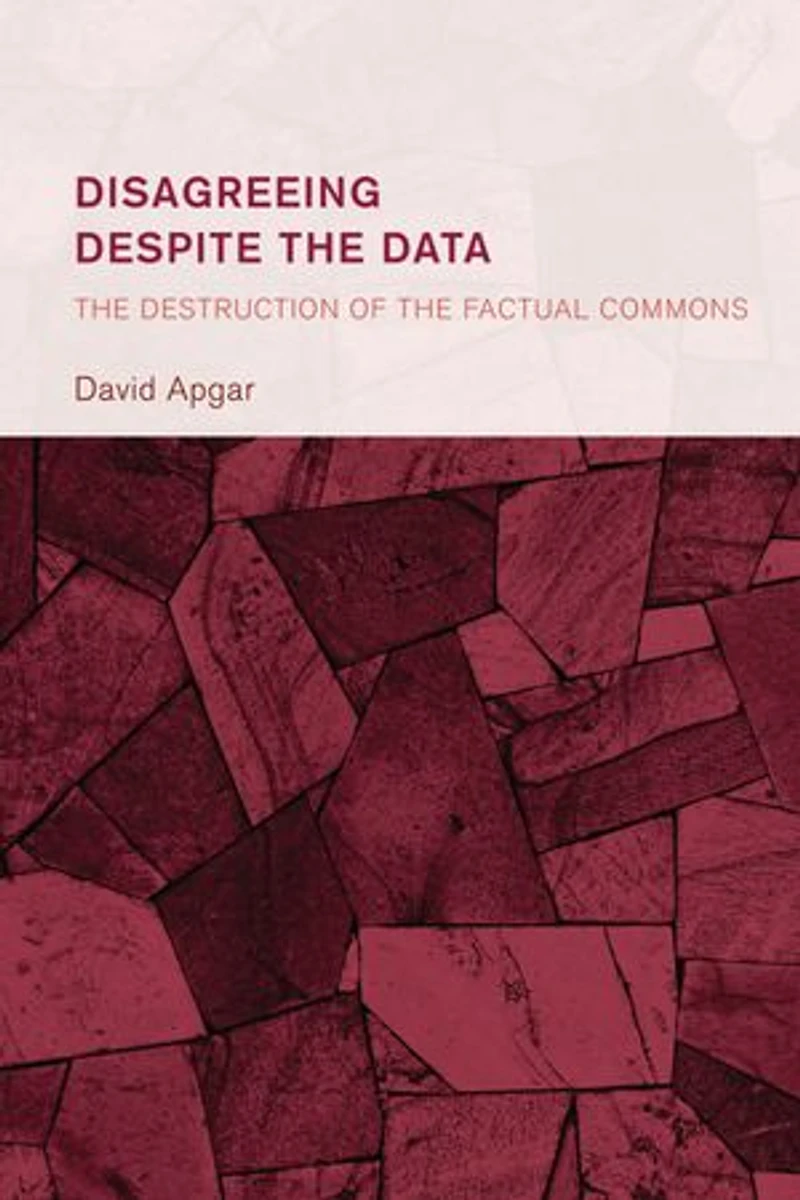
Disagreeing despite the Data: Destruction of Factual Commons
By None
Current price: $160.95
Coles
Disagreeing despite the Data: Destruction of Factual Commons
By None
Current price: $160.95
Loading Inventory...
Size: Hardcover
*Product information and pricing may vary - to confirm current pricing, availability, shipping, and return information please contact Coles. In the event of a pricing discrepancy, the retailer's price will apply.
Disagreeing despite the Data: The Destruction of the Factual Commonsexamines the pressing problem of factual disagreement between social groups, suggesting that the belief segregation underway in the United States may be irreversible. David Apgar draws on the work of twentieth-century philosophers of science and language-especially Popper, Wittgenstein, and Davidson-to identify three requirements for factual agreement to be possible at all: a pervasive habit of checking assumptions, densely connected communities, and projects that straddle those communities. The growing refusal to test assumptions and individual isolation can be remedied by critical thinking and community building. Factual agreement between groups is impossible without shared projects or other meaningful interaction, however, and a large part of American society has insulated itself from the rest. Without shared projects, communities lose the ability to tell whether they agree or not regardless of the words they use.Disagreeing despite the Datalooks at the destructive effects of belief segregation with similar roots in several dissimilar developing countries on a path wide enough for richer ones, like the United States, to follow.
Disagreeing despite the Data: The Destruction of the Factual Commonsexamines the pressing problem of factual disagreement between social groups, suggesting that the belief segregation underway in the United States may be irreversible. David Apgar draws on the work of twentieth-century philosophers of science and language-especially Popper, Wittgenstein, and Davidson-to identify three requirements for factual agreement to be possible at all: a pervasive habit of checking assumptions, densely connected communities, and projects that straddle those communities. The growing refusal to test assumptions and individual isolation can be remedied by critical thinking and community building. Factual agreement between groups is impossible without shared projects or other meaningful interaction, however, and a large part of American society has insulated itself from the rest. Without shared projects, communities lose the ability to tell whether they agree or not regardless of the words they use.Disagreeing despite the Datalooks at the destructive effects of belief segregation with similar roots in several dissimilar developing countries on a path wide enough for richer ones, like the United States, to follow.
You May Also Like


















More About Coles at Pine Centre
Shop Coles for bestselling books, toys, stationary, and so much more!
3079 Massey Dr, Prince George, BC V2N 1R4, Canada
Find Coles at Pine Centre in Prince George, BC
Visit Coles at Pine Centre in Prince George, BC
