

Gifting Made Simple
Give the Gift of ChoiceClick below to purchase a Pine Centre eGift Card that can be used at participating retailers at Pine Centre.Purchase HereHome
Children's Talk by Catherine Garvey, Paperback | Indigo Chapters
Coles
Loading Inventory...
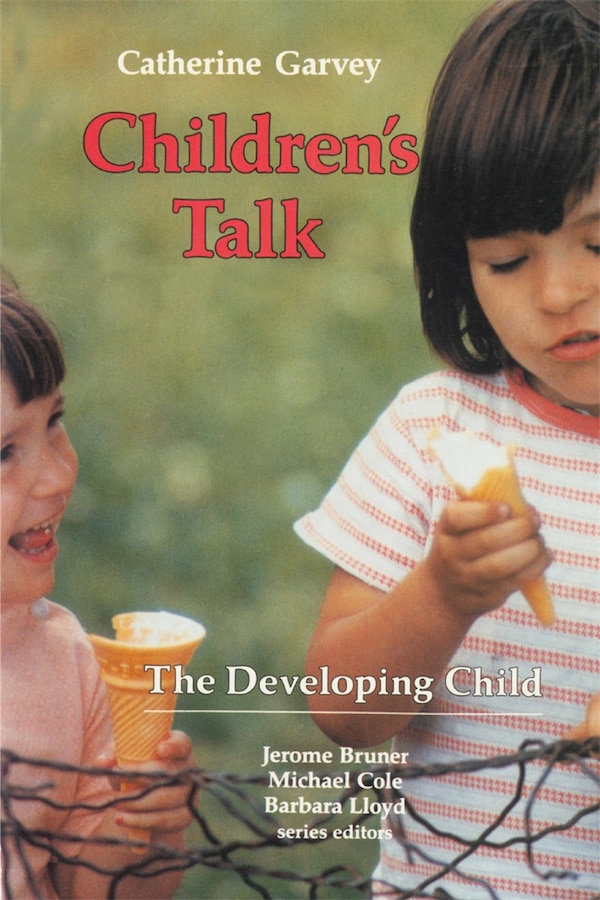
Children's Talk by Catherine Garvey, Paperback | Indigo Chapters
By Catherine Garvey
Current price: $44.00
Coles
Children's Talk by Catherine Garvey, Paperback | Indigo Chapters
By Catherine Garvey
Current price: $44.00
Loading Inventory...
Size: 1 x 1 x 0.8125
*Product information may vary - to confirm product availability, pricing, shipping and return information please contact Coles
How do children learn the intangible rules of conversation, how do theymake talk work? Adults usually regard talk as a simple means of conveying information. Garvey's examination of children's talk reveals, however, that much more than this goes on in any conversational exchange. Talk always takes place in a particular situation or context: the speakers are continuously interpreting what is going on, and they adjust their responses accordingly. To be sure that the message is received, children must learn to engage the attention of the other person, to take turns at talking, and to set up signals for the beginning and end of conversation. They learn to confirm that the intended meaning is understood and to evaluate the acceptability of the message, and they acquire an understanding of the ritual aspects of talk, including marks of courtesy such as please and thank you, displays of attentiveness, and an awareness of interpersonal status. Children must also learn to say no, to use talk to reach a goal, and to interpret the differences in the ways other people talk. Garvey explains the importance of talk to children's socialization and development and shows why talk is an integral and revealing part of the child's life that reflects important changes in thinking and social interaction. | Children's Talk by Catherine Garvey, Paperback | Indigo Chapters
How do children learn the intangible rules of conversation, how do theymake talk work? Adults usually regard talk as a simple means of conveying information. Garvey's examination of children's talk reveals, however, that much more than this goes on in any conversational exchange. Talk always takes place in a particular situation or context: the speakers are continuously interpreting what is going on, and they adjust their responses accordingly. To be sure that the message is received, children must learn to engage the attention of the other person, to take turns at talking, and to set up signals for the beginning and end of conversation. They learn to confirm that the intended meaning is understood and to evaluate the acceptability of the message, and they acquire an understanding of the ritual aspects of talk, including marks of courtesy such as please and thank you, displays of attentiveness, and an awareness of interpersonal status. Children must also learn to say no, to use talk to reach a goal, and to interpret the differences in the ways other people talk. Garvey explains the importance of talk to children's socialization and development and shows why talk is an integral and revealing part of the child's life that reflects important changes in thinking and social interaction. | Children's Talk by Catherine Garvey, Paperback | Indigo Chapters
You May Also Like















More About Coles at Pine Centre
Shop Coles for bestselling books, toys, stationary, and so much more!
3079 Massey Dr, Prince George, BC V2N 1R4, Canada
Find Coles at Pine Centre in Prince George, BC
Visit Coles at Pine Centre in Prince George, BC
