

Gifting Made Simple
Give the Gift of ChoiceClick below to purchase a Pine Centre eGift Card that can be used at participating retailers at Pine Centre.Purchase HereHome
Canning of Fish & Meat
Coles
Loading Inventory...
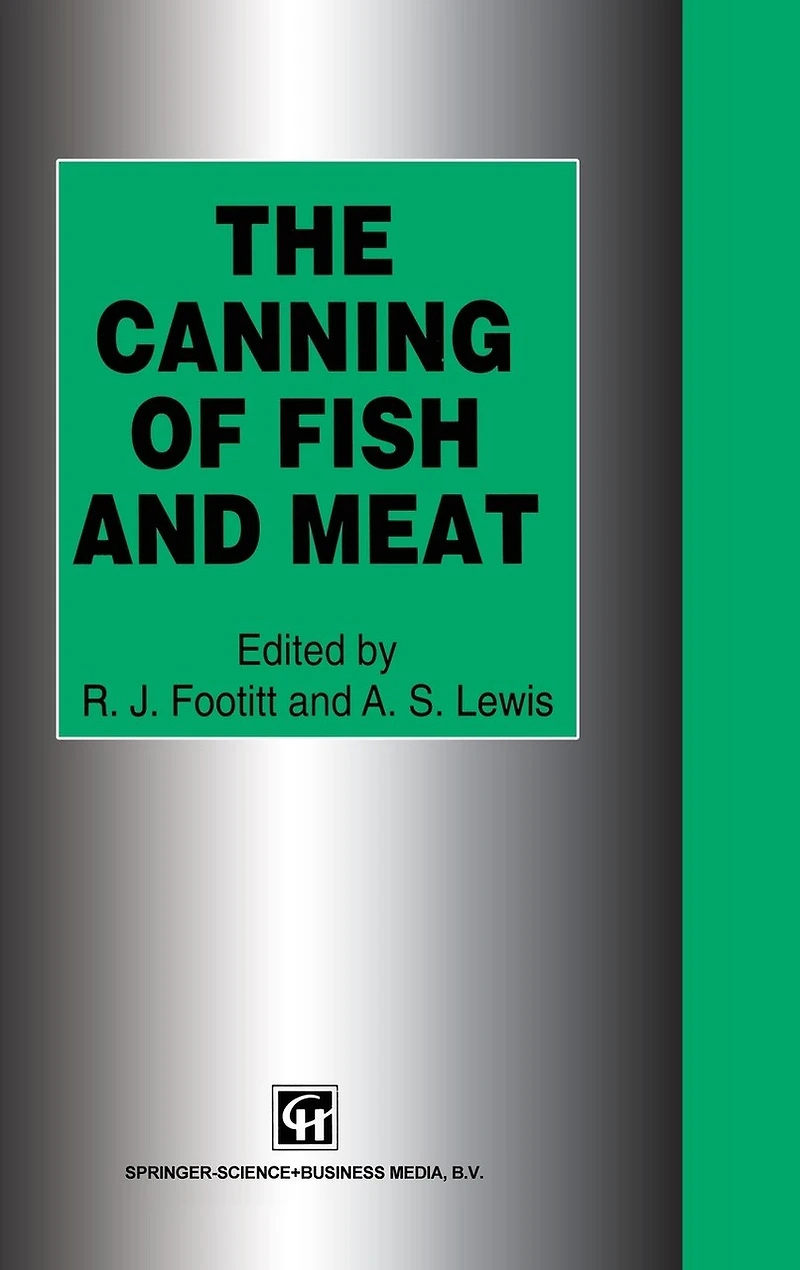
Canning of Fish & Meat
By None
Current price: $128.95
Coles
Canning of Fish & Meat
By None
Current price: $128.95
Loading Inventory...
Size: Hardcover
*Product information and pricing may vary - to confirm current pricing, availability, shipping, and return information please contact Coles. In the event of a pricing discrepancy, the retailer's price will apply.
1 Raw material sourcing.- 1.1 Introduction.- 1.2 Supply of fish.- 1.3 Finding fish.- 1.4 Catching fish.- 1.4.1 Surrounding nets.- 1.4.2 Towed nets.- 1.4.3 Static nets.- 1.4.4 Line and hook.- 1.5 By-catch.- 1.6 On-board handling of fish.- 1.6.1 Size of fish.- 1.6.2 Metabolic rate.- 1.6.3 Catching practice.- 1.6.4 Handling fish.- 1.7 Quality retention.- 1.7.1 Cooling with ice.- 1.7.2 Boxing in ice.- 1.7.3 Ice-chilled sea water (CSW).- 1.7.4 Refrigerated sea water (RSW).- 1.7.5 Freezing.- 1.8 Fishfarming.- 1.9 Conclusions.- References.- 2 Fish raw material.- 2.1 Introduction.- 2.2 Transportation.- 2.2.1 Spoilage factors.- 2.2.2 Protection in transportation.- 2.3 Reception and testing.- 2.4 Storage.- 2.5 Defrosting frozen fish.- 2.5.1 Air thawing.- 2.5.2 Air blast thawing.- 2.5.3 Water thawing.- 2.5.4 Vacuum thawing.- 2.5.5 Other methods of thawing.- 2.6 Fish preparation.- 2.6.1 Heading.- 2.6.2 Filleting.- 2.6.3 Skinning.- 2.6.4 Smoking.- 2.6.5 Pre-cooking.- 2.7 Storing prepared fish.- 2.8 Chemical indicators of quality.- References and Bibliography.- Appendix: Sources of machinery.- 3 Meat raw materials.- 3.1 Introduction.- 3.2 Specifications and quality assurance.- 3.3 Sampling procedures.- 3.4 Identity of meat.- 3.4.1 Species.- 3.4.2 Age and sex.- 3.4.3 Other factors.- 3.4.4 Chemical composition.- 3.5 Manufacturing quality factors.- 3.5.1 Functionality of meat proteins.- 3.5.2 Curing of meat products with nitrite.- 3.5.3 The importance of meat pH.- 3.5.4 pH changes in meat after slaughter.- 3.5.5 Chilling and freezing.- 3.5.6 Transport and delivery.- 3.6 Physical condition of meat.- 3.7 Microbiology of meat raw materials.- 3.7.1 Spoilage bacteria.- 3.7.2 Food-poisoning bacteria.- 3.8 Summary.- References.- 4 Canning factory standards.- 4.1 Introduction.- 4.2 Factory environment.- 4.2.1 Location and surroundings.- 4.2.2 Vehicles and roadways.- 4.3 Factory structure.- 4.3.1 External walls.- 4.3.2 Access ways.- 4.3.3 Pest-proofing.- 4.4 Production area.- 4.4.1 Internal walls.- 4.4.2 Floors.- 4.4.3 Ceilings.- 4.4.4 Lighting.- 4.4.5 Ventilation.- 4.5 Factory layout.- 4.5.1 Separation of processes.- 4.5.2 Separation of personnel.- 4.6 Services.- 4.6.1 General water supply.- 4.6.2 Water for cooling purposes.- 4.6.3 General steam supply.- 4.6.4 Potable steam supply.- 4.6.5 Other services.- 4.6.6 Effluent.- 4.7 Personal hygiene.- 4.7.1 Health control.- 4.7.2 Protective clothing.- 4.7.3 Sanitary accommodation.- 4.7.4 Staff amenities.- 4.8 Equipment.- 4.8.1 Hygienic design.- 4.8.2 Installation.- Further reading.- 5 Cans and lids.- 5.1 Introduction.- 5.2 Metals used in can manufacture.- 5.2.1 Stec!.- 5.2.2 Tin-free steels (TFS) and blackplate.- 5.2.3 Aluminium.- 5.2.4 Mechanical properties.- 5.3 Methods of container manufacture.- 5.3.1 Three-piece can manufacture.- 5.3.2 Two-piece can manufacture.- 5.3.3 Can ends.- 5.4 Selection of a can-making route.- 5.4.1 Product(s) to be packed.- 5.4.2 Size of the market and the manufacturing unit.- 5.5 Mechanical properties of containers and ends.- 5.5.1 General.- 5.5.2 Axial strength.- 5.5.3 Panelling resistance.- 5.5.4 Peaking resistance.- 5.5.5 Measurement of mechanical properties.- 5.5.6 Secondary processes.- 5.6 Coatings.- 5.6.1 General classification.- 5.6.2 Protective internal coatings.- 5.7 Functions of can lacquers/enamels.- 5.7.1 Internal corrosion protection.- 5.7.2 Protection of the product.- 5.7.3 Facilitating manufacture.- 5.7.4 Base for dccoration.- 5.7.5 External corrosion and abrasion resistance.- 5.8 Methods of lacquer application.- 5.8.1 Roller coating in sheet form.- 5.8.2 Coil coating.- 5.8.3 Spraying.- 5.8.4 Electrocoating.- 5.9 Container corrosion; theory and practice.- 5.9.1 External corrosion.- 5.9.2 Internal corrosion.- 5.9.3 Theory 130 5.9.10 Recycling.- 5.10.1 Technical factors.- 5.10.2 Economics.- 6 Filling operations.- 6.1 Introduction.- 6.2 Hand filling.- 6.2.1 Meat products.- 6.2.2 Fish products.- 6.3 Mechanical filling - general considerations.- 6.4 Meat filling.- 6...
1 Raw material sourcing.- 1.1 Introduction.- 1.2 Supply of fish.- 1.3 Finding fish.- 1.4 Catching fish.- 1.4.1 Surrounding nets.- 1.4.2 Towed nets.- 1.4.3 Static nets.- 1.4.4 Line and hook.- 1.5 By-catch.- 1.6 On-board handling of fish.- 1.6.1 Size of fish.- 1.6.2 Metabolic rate.- 1.6.3 Catching practice.- 1.6.4 Handling fish.- 1.7 Quality retention.- 1.7.1 Cooling with ice.- 1.7.2 Boxing in ice.- 1.7.3 Ice-chilled sea water (CSW).- 1.7.4 Refrigerated sea water (RSW).- 1.7.5 Freezing.- 1.8 Fishfarming.- 1.9 Conclusions.- References.- 2 Fish raw material.- 2.1 Introduction.- 2.2 Transportation.- 2.2.1 Spoilage factors.- 2.2.2 Protection in transportation.- 2.3 Reception and testing.- 2.4 Storage.- 2.5 Defrosting frozen fish.- 2.5.1 Air thawing.- 2.5.2 Air blast thawing.- 2.5.3 Water thawing.- 2.5.4 Vacuum thawing.- 2.5.5 Other methods of thawing.- 2.6 Fish preparation.- 2.6.1 Heading.- 2.6.2 Filleting.- 2.6.3 Skinning.- 2.6.4 Smoking.- 2.6.5 Pre-cooking.- 2.7 Storing prepared fish.- 2.8 Chemical indicators of quality.- References and Bibliography.- Appendix: Sources of machinery.- 3 Meat raw materials.- 3.1 Introduction.- 3.2 Specifications and quality assurance.- 3.3 Sampling procedures.- 3.4 Identity of meat.- 3.4.1 Species.- 3.4.2 Age and sex.- 3.4.3 Other factors.- 3.4.4 Chemical composition.- 3.5 Manufacturing quality factors.- 3.5.1 Functionality of meat proteins.- 3.5.2 Curing of meat products with nitrite.- 3.5.3 The importance of meat pH.- 3.5.4 pH changes in meat after slaughter.- 3.5.5 Chilling and freezing.- 3.5.6 Transport and delivery.- 3.6 Physical condition of meat.- 3.7 Microbiology of meat raw materials.- 3.7.1 Spoilage bacteria.- 3.7.2 Food-poisoning bacteria.- 3.8 Summary.- References.- 4 Canning factory standards.- 4.1 Introduction.- 4.2 Factory environment.- 4.2.1 Location and surroundings.- 4.2.2 Vehicles and roadways.- 4.3 Factory structure.- 4.3.1 External walls.- 4.3.2 Access ways.- 4.3.3 Pest-proofing.- 4.4 Production area.- 4.4.1 Internal walls.- 4.4.2 Floors.- 4.4.3 Ceilings.- 4.4.4 Lighting.- 4.4.5 Ventilation.- 4.5 Factory layout.- 4.5.1 Separation of processes.- 4.5.2 Separation of personnel.- 4.6 Services.- 4.6.1 General water supply.- 4.6.2 Water for cooling purposes.- 4.6.3 General steam supply.- 4.6.4 Potable steam supply.- 4.6.5 Other services.- 4.6.6 Effluent.- 4.7 Personal hygiene.- 4.7.1 Health control.- 4.7.2 Protective clothing.- 4.7.3 Sanitary accommodation.- 4.7.4 Staff amenities.- 4.8 Equipment.- 4.8.1 Hygienic design.- 4.8.2 Installation.- Further reading.- 5 Cans and lids.- 5.1 Introduction.- 5.2 Metals used in can manufacture.- 5.2.1 Stec!.- 5.2.2 Tin-free steels (TFS) and blackplate.- 5.2.3 Aluminium.- 5.2.4 Mechanical properties.- 5.3 Methods of container manufacture.- 5.3.1 Three-piece can manufacture.- 5.3.2 Two-piece can manufacture.- 5.3.3 Can ends.- 5.4 Selection of a can-making route.- 5.4.1 Product(s) to be packed.- 5.4.2 Size of the market and the manufacturing unit.- 5.5 Mechanical properties of containers and ends.- 5.5.1 General.- 5.5.2 Axial strength.- 5.5.3 Panelling resistance.- 5.5.4 Peaking resistance.- 5.5.5 Measurement of mechanical properties.- 5.5.6 Secondary processes.- 5.6 Coatings.- 5.6.1 General classification.- 5.6.2 Protective internal coatings.- 5.7 Functions of can lacquers/enamels.- 5.7.1 Internal corrosion protection.- 5.7.2 Protection of the product.- 5.7.3 Facilitating manufacture.- 5.7.4 Base for dccoration.- 5.7.5 External corrosion and abrasion resistance.- 5.8 Methods of lacquer application.- 5.8.1 Roller coating in sheet form.- 5.8.2 Coil coating.- 5.8.3 Spraying.- 5.8.4 Electrocoating.- 5.9 Container corrosion; theory and practice.- 5.9.1 External corrosion.- 5.9.2 Internal corrosion.- 5.9.3 Theory 130 5.9.10 Recycling.- 5.10.1 Technical factors.- 5.10.2 Economics.- 6 Filling operations.- 6.1 Introduction.- 6.2 Hand filling.- 6.2.1 Meat products.- 6.2.2 Fish products.- 6.3 Mechanical filling - general considerations.- 6.4 Meat filling.- 6...
You May Also Like















More About Coles at Pine Centre
Shop Coles for bestselling books, toys, stationary, and so much more!
3079 Massey Dr, Prince George, BC V2N 1R4, Canada
Find Coles at Pine Centre in Prince George, BC
Visit Coles at Pine Centre in Prince George, BC
