

Gifting Made Simple
Give the Gift of ChoiceClick below to purchase a Pine Centre eGift Card that can be used at participating retailers at Pine Centre.Purchase HereHome
Armies of the Italian Wars Unification 1848–70 (1): Piedmont and Two Sicilies
Coles
Loading Inventory...
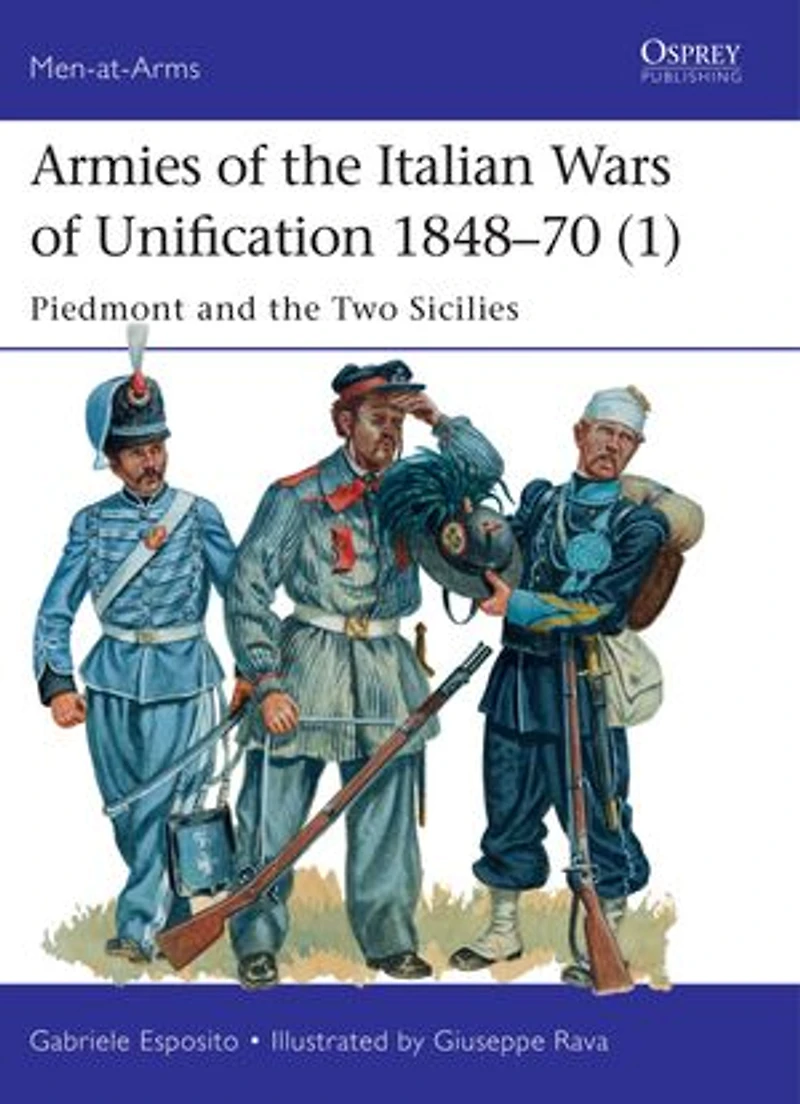
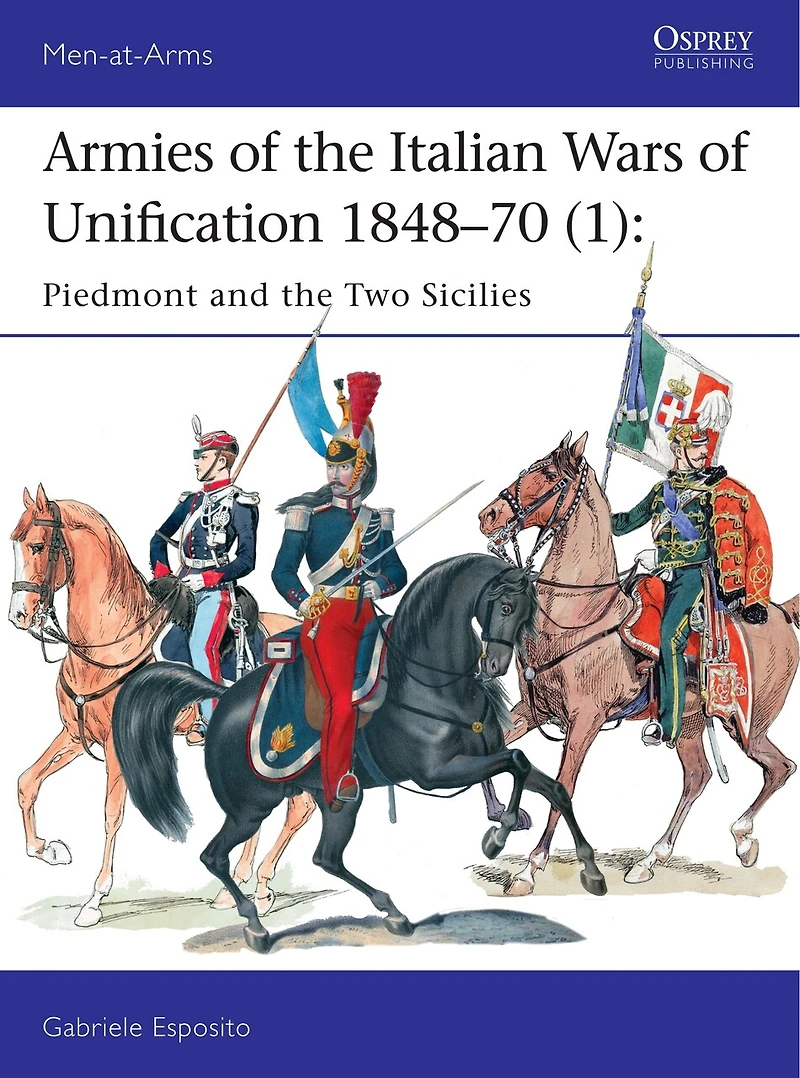
Armies of the Italian Wars Unification 1848–70 (1): Piedmont and Two Sicilies
By None
Current price: $17.29
Original price: $21.60
Coles
Armies of the Italian Wars Unification 1848–70 (1): Piedmont and Two Sicilies
By None
Current price: $17.29
Original price: $21.60
Loading Inventory...
Size: Kobo eBook
*Product information and pricing may vary - to confirm current pricing, availability, shipping, and return information please contact Coles. In the event of a pricing discrepancy, the retailer's price will apply.
In the 1840s, post-Napoleonic Italy was 'a geographical expression'--not a country, but a patchwork of states. The north (Savoy/Piedmont, and Venice ) was ruled by Austria-Hungary, and most of the minor central states were more or less clients of Austria. From Naples, a Spanish-descended Bourbon monarchy ruled the south--'the Two Sicilies.' The European 'Year of Revolutions', 1848, saw popular uprisings against the regimes all over the peninsula. These were eventually crushed (First War of Independence, 1848–49); but they left King Victor Emmanuel of Savoy/Piedmont--and his able minister Cavour--determined to liberate and unify the country, while royal authority in the Two Sicilies was left deeply unpopular.
Savoy/Piedmont endeavored to strengthen the relationship with France and Britain, by sending troops to fight alongside them in the Crimean War, 1854-56 and, as a result, it was actively supported by a French army in the Second War of Independence (1859), when the battles of Magenta and Solferino freed most of the north from Austrian rule. In the south, Garibaldi's 'Redshirts' led a successful rising against the Kingdom of the Two Sicilies (1860). Eventually the south voted to join the north in a unified kingdom (February 1861); nevertheless, northern troops had to enforce this by a ruthless occupation during the 1860s--a little-known campaign.
In the 1840s, post-Napoleonic Italy was 'a geographical expression'--not a country, but a patchwork of states. The north (Savoy/Piedmont, and Venice ) was ruled by Austria-Hungary, and most of the minor central states were more or less clients of Austria. From Naples, a Spanish-descended Bourbon monarchy ruled the south--'the Two Sicilies.' The European 'Year of Revolutions', 1848, saw popular uprisings against the regimes all over the peninsula. These were eventually crushed (First War of Independence, 1848–49); but they left King Victor Emmanuel of Savoy/Piedmont--and his able minister Cavour--determined to liberate and unify the country, while royal authority in the Two Sicilies was left deeply unpopular.
Savoy/Piedmont endeavored to strengthen the relationship with France and Britain, by sending troops to fight alongside them in the Crimean War, 1854-56 and, as a result, it was actively supported by a French army in the Second War of Independence (1859), when the battles of Magenta and Solferino freed most of the north from Austrian rule. In the south, Garibaldi's 'Redshirts' led a successful rising against the Kingdom of the Two Sicilies (1860). Eventually the south voted to join the north in a unified kingdom (February 1861); nevertheless, northern troops had to enforce this by a ruthless occupation during the 1860s--a little-known campaign.
You May Also Like









More About Coles at Pine Centre
Shop Coles for bestselling books, toys, stationary, and so much more!
3079 Massey Dr, Prince George, BC V2N 1R4, Canada
Find Coles at Pine Centre in Prince George, BC
Visit Coles at Pine Centre in Prince George, BC
