

Gifting Made Simple
Give the Gift of ChoiceClick below to purchase a Pine Centre eGift Card that can be used at participating retailers at Pine Centre.Purchase HereHome
Anton Boisen: Madness, Mysticism, and the Origins of Clinical Pastoral Education
Coles
Loading Inventory...
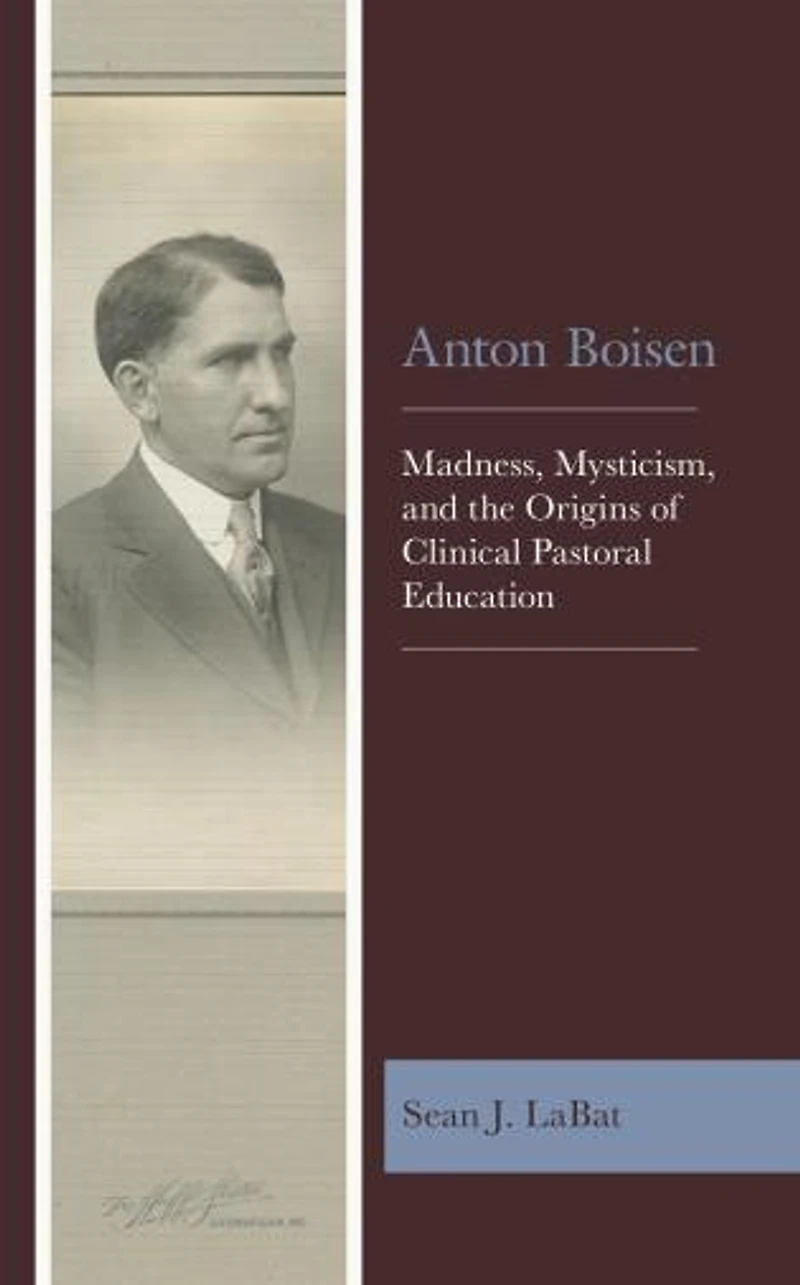
Anton Boisen: Madness, Mysticism, and the Origins of Clinical Pastoral Education
By None
Current price: $160.95
Coles
Anton Boisen: Madness, Mysticism, and the Origins of Clinical Pastoral Education
By None
Current price: $160.95
Loading Inventory...
Size: Hardcover
*Product information and pricing may vary - to confirm current pricing, availability, shipping, and return information please contact Coles. In the event of a pricing discrepancy, the retailer's price will apply.
In Anton Boisen: Madness, Mysticism, and the Origins of Clinical Pastoral Education, Sean J. LaBat provides a critical re-assessment of Anton Boisen's life and work. Based in thorough archival research, LaBat argues that Boisen, who suffered from intermittent severe mental illness, was a creative visionary, a mystic who re-imagined pastoral care and envisioned possibilities for the institutionalized other than shame and stigma. He shows how Boisen elucidated new possibilities in patient-centered health care, community care for the mentally ill, and reconciliation and dialogue between religion and science. Boisen explored the borderland of madness and mysticism, illness and inspiration, and practiced an interdisciplinary approach to his craft that is surprisingly modern and more relevant to the practice of medicine and the practice of religion than ever before.
In Anton Boisen: Madness, Mysticism, and the Origins of Clinical Pastoral Education, Sean J. LaBat provides a critical re-assessment of Anton Boisen's life and work. Based in thorough archival research, LaBat argues that Boisen, who suffered from intermittent severe mental illness, was a creative visionary, a mystic who re-imagined pastoral care and envisioned possibilities for the institutionalized other than shame and stigma. He shows how Boisen elucidated new possibilities in patient-centered health care, community care for the mentally ill, and reconciliation and dialogue between religion and science. Boisen explored the borderland of madness and mysticism, illness and inspiration, and practiced an interdisciplinary approach to his craft that is surprisingly modern and more relevant to the practice of medicine and the practice of religion than ever before.
You May Also Like










More About Coles at Pine Centre
Shop Coles for bestselling books, toys, stationary, and so much more!
3079 Massey Dr, Prince George, BC V2N 1R4, Canada
Find Coles at Pine Centre in Prince George, BC
Visit Coles at Pine Centre in Prince George, BC
