

Gifting Made Simple
Give the Gift of ChoiceClick below to purchase a Pine Centre eGift Card that can be used at participating retailers at Pine Centre.Purchase HereHome
Animist Poetics: Ancestral Trauma and Regeneration African Literature
Coles
Loading Inventory...
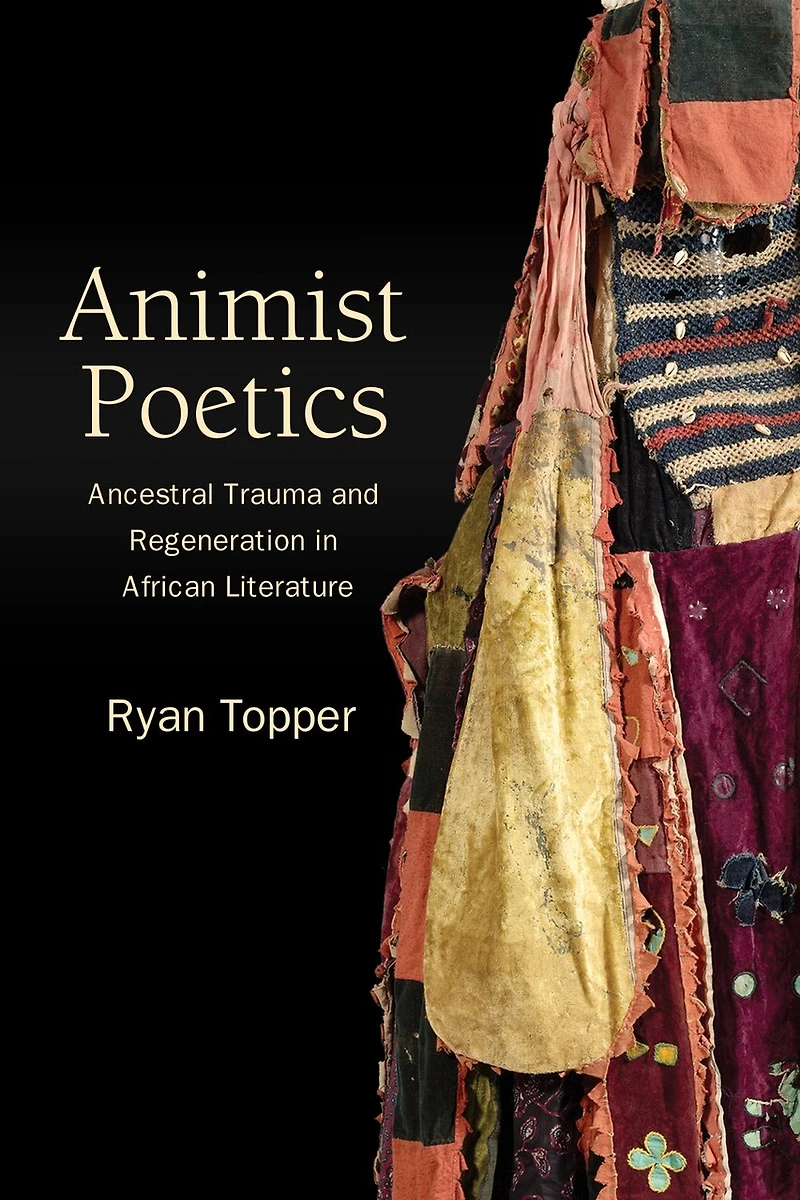
Animist Poetics: Ancestral Trauma and Regeneration African Literature
By None
Current price: $162.95
Coles
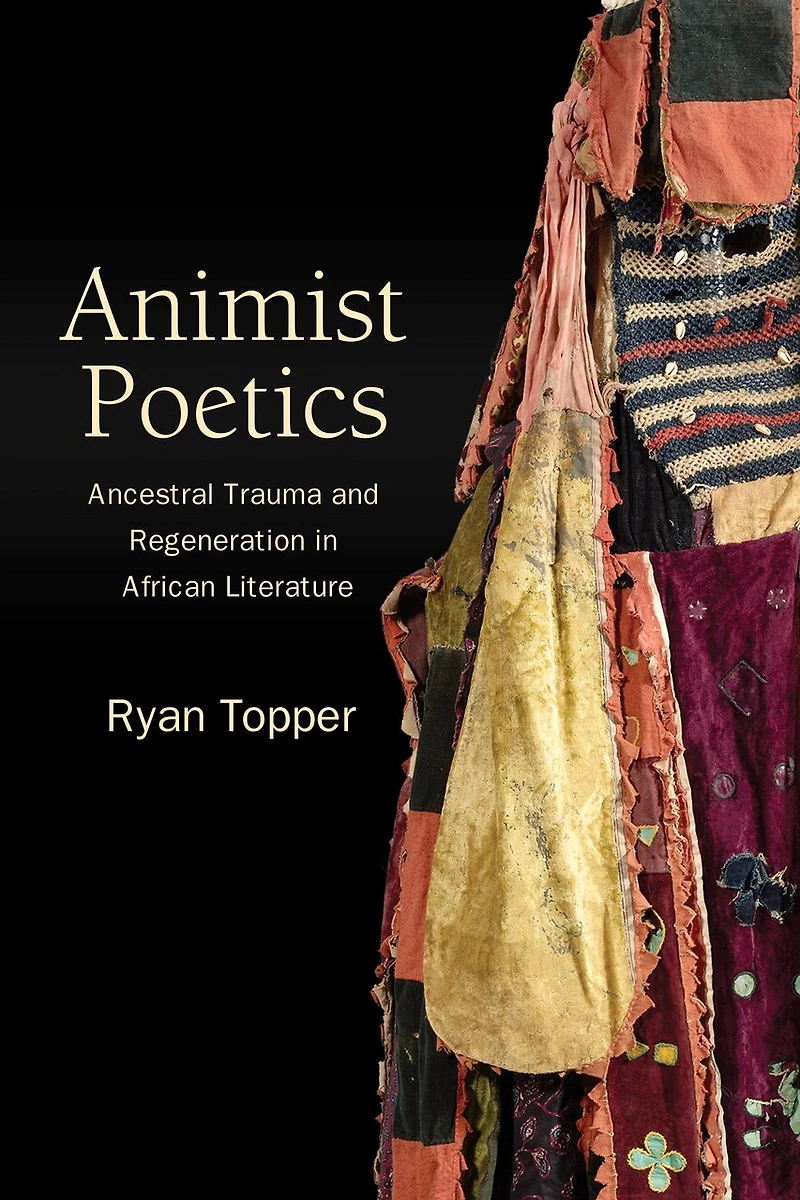
Animist Poetics: Ancestral Trauma and Regeneration African Literature
By None
Current price: $162.95
Loading Inventory...
Size: Hardcover
*Product information and pricing may vary - to confirm current pricing, availability, shipping, and return information please contact Coles. In the event of a pricing discrepancy, the retailer's price will apply.
Psychoanalytic trauma theory largely disregards African perspectives. Postcolonial criticism often filters these perspectives through a secular humanist lens. Examining how African literature uses animism to address the traumas of colonization,
offers a new understanding of the postcolonial condition. From an animist viewpoint, the self is not an individual but rather a regenerative process linking the living, the dead, and their ecosystems. Looking at poetry, fiction, drama, and visual art—including archival manuscripts by Wole Soyinka and Yvonne Vera—Ryan Topper argues that African literature reinvents these Indigenous ecologies in uniquely modern ways.
takes Indigenous—and literary—knowledge seriously, rethinking the foundations of psychoanalysis and charting new theoretical paths in posthumanism, the environmental humanities, new materialism, biopolitics, and memory studies.
Psychoanalytic trauma theory largely disregards African perspectives. Postcolonial criticism often filters these perspectives through a secular humanist lens. Examining how African literature uses animism to address the traumas of colonization,
offers a new understanding of the postcolonial condition. From an animist viewpoint, the self is not an individual but rather a regenerative process linking the living, the dead, and their ecosystems. Looking at poetry, fiction, drama, and visual art—including archival manuscripts by Wole Soyinka and Yvonne Vera—Ryan Topper argues that African literature reinvents these Indigenous ecologies in uniquely modern ways.
takes Indigenous—and literary—knowledge seriously, rethinking the foundations of psychoanalysis and charting new theoretical paths in posthumanism, the environmental humanities, new materialism, biopolitics, and memory studies.
You May Also Like









More About Coles at Pine Centre
Shop Coles for bestselling books, toys, stationary, and so much more!
3079 Massey Dr, Prince George, BC V2N 1R4, Canada
Find Coles at Pine Centre in Prince George, BC
Visit Coles at Pine Centre in Prince George, BC
