

Gifting Made Simple
Give the Gift of ChoiceClick below to purchase a Pine Centre eGift Card that can be used at participating retailers at Pine Centre.Purchase HereHome
Ambiguous Gender in Early Modern Spain and Portugal: Inquisitors, Doctors and the Transgression of Gender Norms
Coles
Loading Inventory...
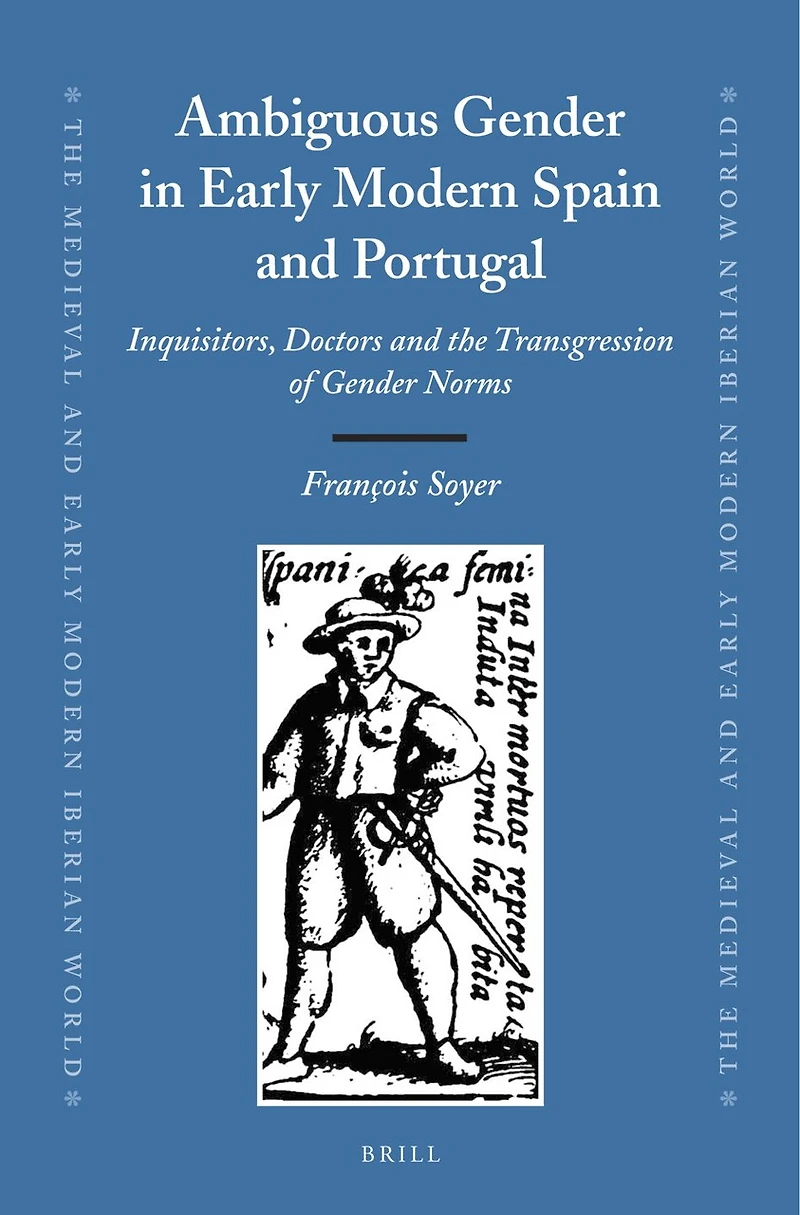
Ambiguous Gender in Early Modern Spain and Portugal: Inquisitors, Doctors and the Transgression of Gender Norms
By None
Current price: $268.99
Coles
Ambiguous Gender in Early Modern Spain and Portugal: Inquisitors, Doctors and the Transgression of Gender Norms
By None
Current price: $268.99
Loading Inventory...
Size: Hardcover
*Product information and pricing may vary - to confirm current pricing, availability, shipping, and return information please contact Coles. In the event of a pricing discrepancy, the retailer's price will apply.
From the sixteenth to the eighteenth centuries, the Spanish and Portuguese Inquisitions conducted a number of trials against individuals accused by members of their communities of being of the other gender – men accused of being women and women accused of being men – or even hermaphrodites.
Using new inquisitorial sources, this study examines the complexities revolving around transgenderism and the construction of gender identity in the early modern Iberian World. It throws light upon the manner in which the Inquisition, medical practitioners and the wider society in Spain and Portugal responded to transgenderism and on the self-perception of individuals whose behaviour, whether consciously or unconsciously, flouted these social and sexual conventions.
From the sixteenth to the eighteenth centuries, the Spanish and Portuguese Inquisitions conducted a number of trials against individuals accused by members of their communities of being of the other gender – men accused of being women and women accused of being men – or even hermaphrodites.
Using new inquisitorial sources, this study examines the complexities revolving around transgenderism and the construction of gender identity in the early modern Iberian World. It throws light upon the manner in which the Inquisition, medical practitioners and the wider society in Spain and Portugal responded to transgenderism and on the self-perception of individuals whose behaviour, whether consciously or unconsciously, flouted these social and sexual conventions.
You May Also Like








More About Coles at Pine Centre
Shop Coles for bestselling books, toys, stationary, and so much more!
3079 Massey Dr, Prince George, BC V2N 1R4, Canada
Find Coles at Pine Centre in Prince George, BC
Visit Coles at Pine Centre in Prince George, BC
