

Gifting Made Simple
Give the Gift of ChoiceClick below to purchase a Pine Centre eGift Card that can be used at participating retailers at Pine Centre.Purchase HereHome
Alternatives to War: Presidents’ Foreign Policy Decision-Making and Conflict Management with Iraq and North Korea, 1989-2009
Coles
Loading Inventory...
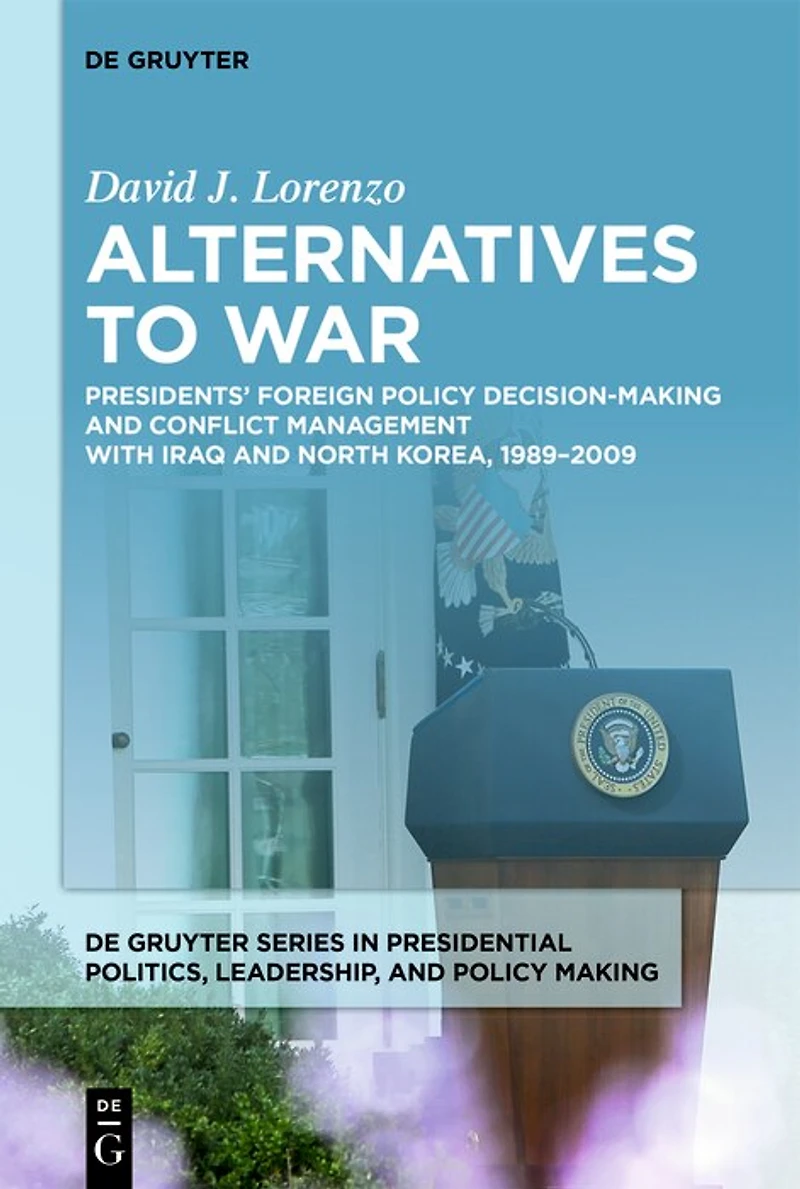
Alternatives to War: Presidents’ Foreign Policy Decision-Making and Conflict Management with Iraq and North Korea, 1989-2009
By None
Current price: $130.99
Coles
Alternatives to War: Presidents’ Foreign Policy Decision-Making and Conflict Management with Iraq and North Korea, 1989-2009
By None
Current price: $130.99
Loading Inventory...
Size: Hardcover
*Product information and pricing may vary - to confirm current pricing, availability, shipping, and return information please contact Coles. In the event of a pricing discrepancy, the retailer's price will apply.
This work analyzes four case studies: George H.W. Bush’s approach to the conflict with Iraq (stemming from Iraq's invasion of Kuwait), Bill Clinton’s approach to the conflict with North Korea over its nuclear program, George W. Bush’s approach to the ongoing conflict with Iraq over its WMD programs, territorial ambitions and alleged ties with terrorists, and George W. Bush's approach to the recurring conflict with North Korea. The volume consequently sheds light on these presidents' foreign policies. Its framework, which emphasizes the flexibility and the patience presidents employ, focuses on alternatives to the use of major military force, such as sanctions, military threats, and negotiations.
This work analyzes four case studies: George H.W. Bush’s approach to the conflict with Iraq (stemming from Iraq's invasion of Kuwait), Bill Clinton’s approach to the conflict with North Korea over its nuclear program, George W. Bush’s approach to the ongoing conflict with Iraq over its WMD programs, territorial ambitions and alleged ties with terrorists, and George W. Bush's approach to the recurring conflict with North Korea. The volume consequently sheds light on these presidents' foreign policies. Its framework, which emphasizes the flexibility and the patience presidents employ, focuses on alternatives to the use of major military force, such as sanctions, military threats, and negotiations.
You May Also Like












More About Coles at Pine Centre
Shop Coles for bestselling books, toys, stationary, and so much more!
3079 Massey Dr, Prince George, BC V2N 1R4, Canada
Find Coles at Pine Centre in Prince George, BC
Visit Coles at Pine Centre in Prince George, BC
