
Gifting Made Simple
Give the Gift of ChoiceClick below to purchase a Pine Centre eGift Card that can be used at participating retailers at Pine Centre.Purchase HereHome
Agriculture And Korean Economic History: Concise Farming Talk (nongsa Chikscl)
Coles
Loading Inventory...
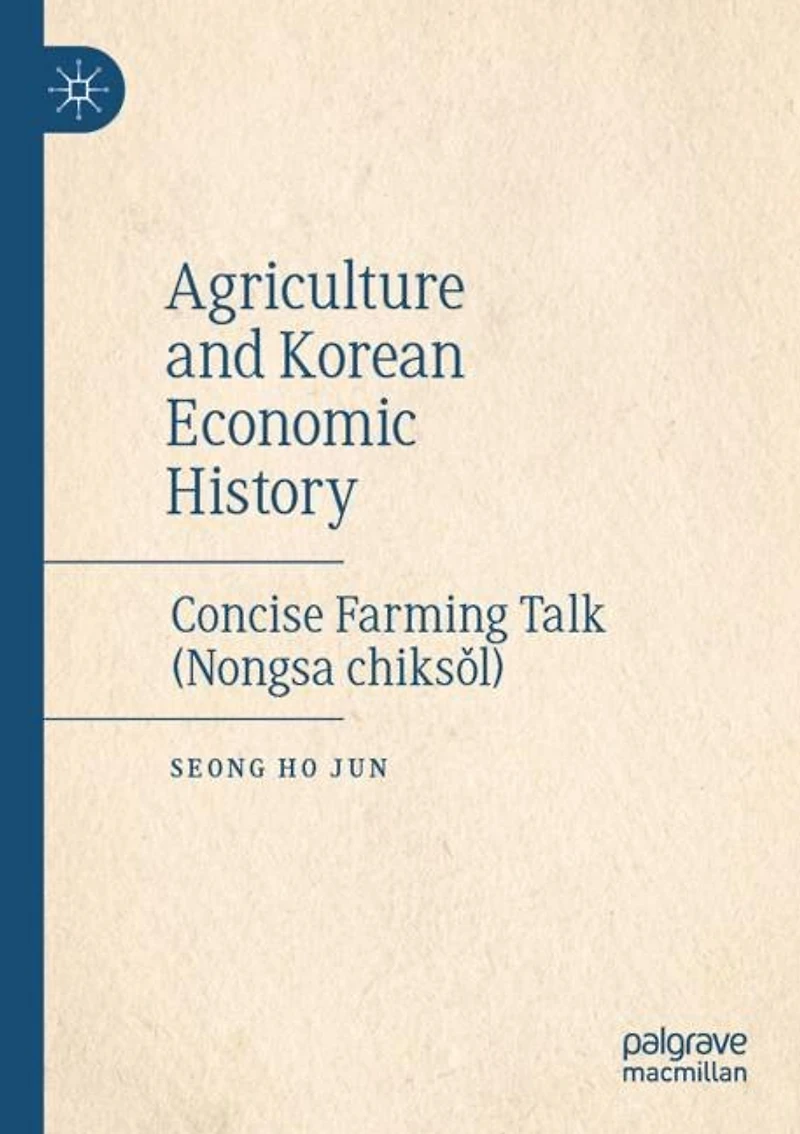
Agriculture And Korean Economic History: Concise Farming Talk (nongsa Chikscl)
By None
Current price: $189.95
Coles
Agriculture And Korean Economic History: Concise Farming Talk (nongsa Chikscl)
By None
Current price: $189.95
Loading Inventory...
Size: Paperback
*Product information and pricing may vary - to confirm current pricing, availability, shipping, and return information please contact Coles. In the event of a pricing discrepancy, the retailer's price will apply.
This book is an economic history of the ChosÅn dynasty (1392-1910). The ChosÅn dynasty is not only known for managing the northeastern regions of Asia for 500 years as the exemplars of Confucianism, their kingdom was also one of the greatest so-called "agricultural states under Heaven." The ChosÅn dynasty has been briefly explored academically by Western scholars, but their findings have some limitations. The period of 1400-1600, in particular, has been too poorly reported on in the English language to gain the attention of the Western knowledge society. This book aims to fill the gaps in the existing research and will be of interest to economists, scholars of Korean history, agriculturists, and ecologists.
This book is an economic history of the ChosÅn dynasty (1392-1910). The ChosÅn dynasty is not only known for managing the northeastern regions of Asia for 500 years as the exemplars of Confucianism, their kingdom was also one of the greatest so-called "agricultural states under Heaven." The ChosÅn dynasty has been briefly explored academically by Western scholars, but their findings have some limitations. The period of 1400-1600, in particular, has been too poorly reported on in the English language to gain the attention of the Western knowledge society. This book aims to fill the gaps in the existing research and will be of interest to economists, scholars of Korean history, agriculturists, and ecologists.
You May Also Like




More About Coles at Pine Centre
Shop Coles for bestselling books, toys, stationary, and so much more!
3079 Massey Dr, Prince George, BC V2N 1R4, Canada
Find Coles at Pine Centre in Prince George, BC
Visit Coles at Pine Centre in Prince George, BC
