

Gifting Made Simple
Give the Gift of ChoiceClick below to purchase a Pine Centre eGift Card that can be used at participating retailers at Pine Centre.Purchase HereHome
Acorns and Bitter Roots: Starch Grain Research the Prehistoric Eastern Woodlands
Coles
Loading Inventory...
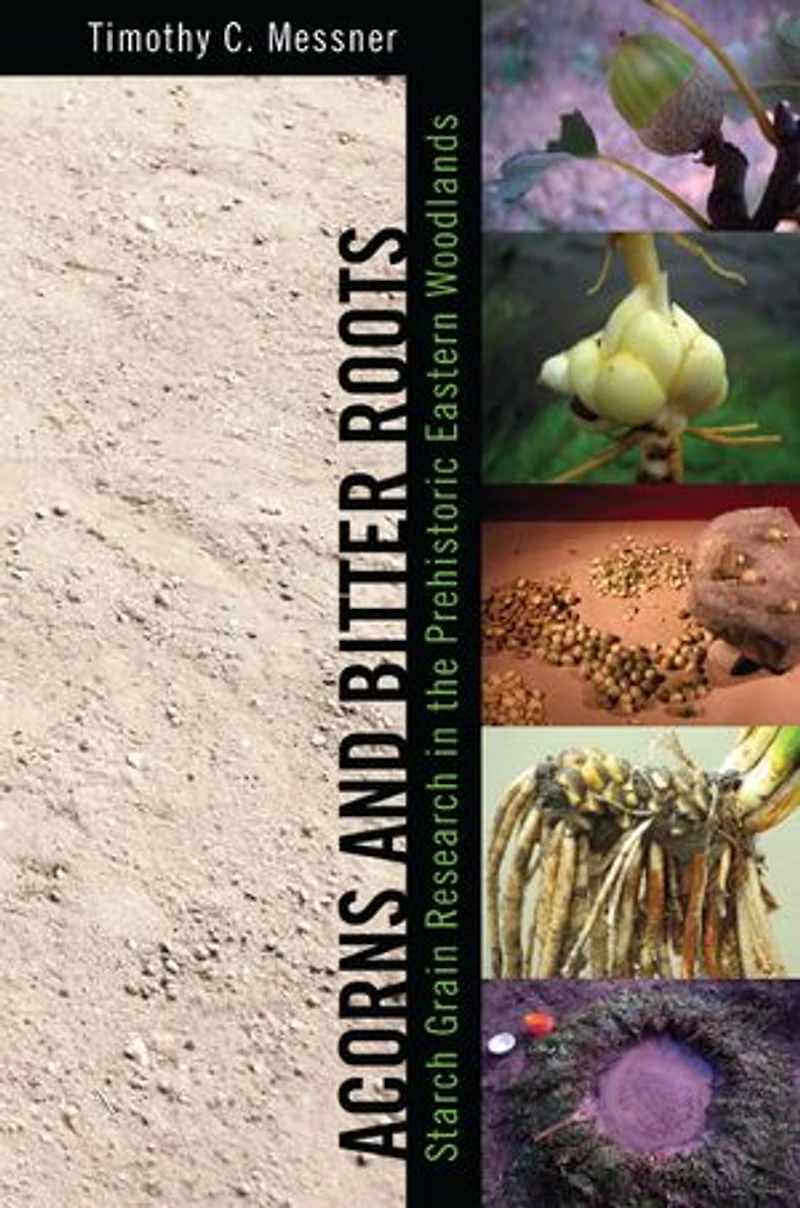
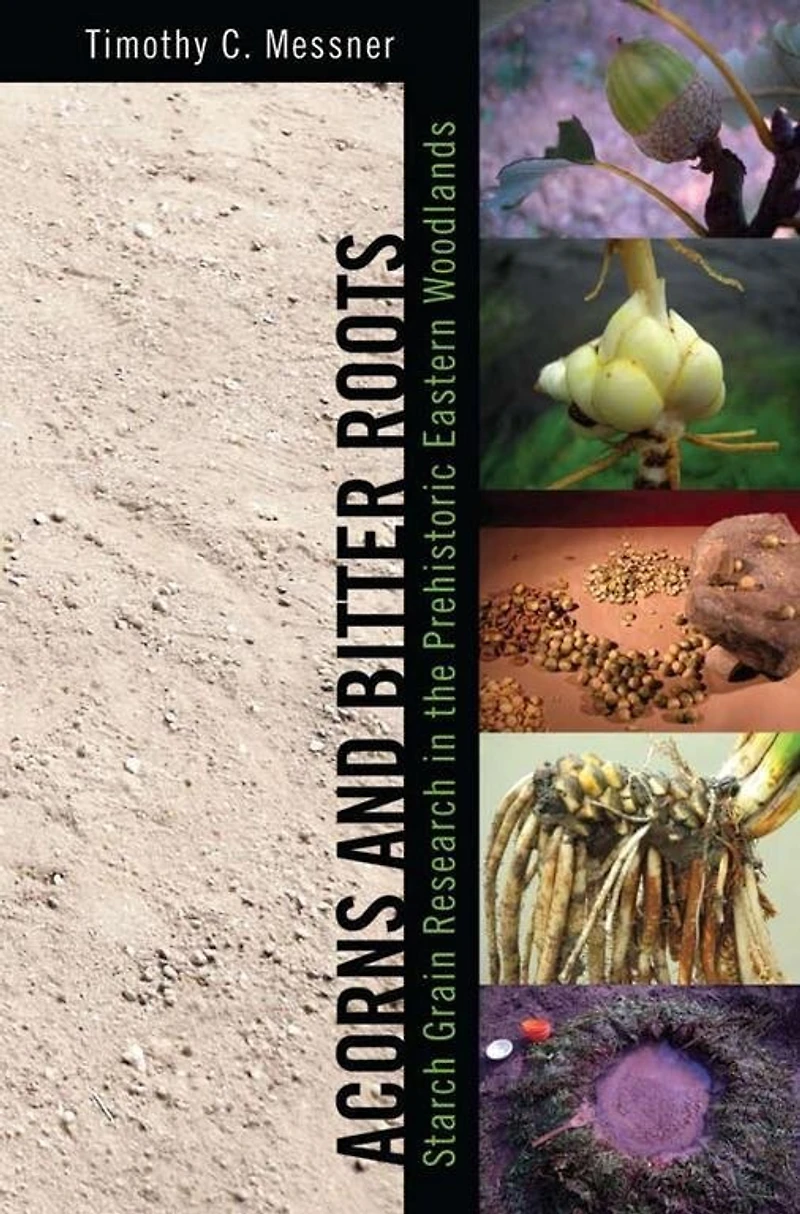
Acorns and Bitter Roots: Starch Grain Research the Prehistoric Eastern Woodlands
By None
Current price: $32.59
Original price: $40.65
Coles
Acorns and Bitter Roots: Starch Grain Research the Prehistoric Eastern Woodlands
By None
Current price: $32.59
Original price: $40.65
Loading Inventory...
Size: Kobo eBook
*Product information and pricing may vary - to confirm current pricing, availability, shipping, and return information please contact Coles. In the event of a pricing discrepancy, the retailer's price will apply.
Starch grain analysis in the temperate climates of eastern North America using the Delaware River Watershed as a case study for furthering scholarly understanding of the relationship between native people and their biophysical environment in the Woodland Period
People regularly use plants for a wide range of utilitarian, spiritual, pharmacological, and dietary purposes throughout the world. Scholarly understanding of the nature of these uses in prehistory is particularly limited by the poor preservation of plant resources in the archaeological record. In the last two decades, researchers in the South Pacific and in Central and South America have developed microscopic starch grain analysis, a technique for overcoming the limitations of poorly preserved plant material.
Messner's analysis is based on extensive reviews of the literature on early historic, prehistoric native plant use, and the collation of all available archaeobotanical data, a review of which also guided the author in selecting contemporary botanical specimens to identify and in interpreting starch residues recovered from ancient plant-processing technologies. The evidence presented here sheds light on many local ecological and cultural developments as ancient people shifted their subsistence focus from estuarine to riverine settings. These archaeobotanical datasets, Messner argues, illuminate both the conscious and unintentional translocal movement of ideas and ecologies throughout the Eastern Woodlands.
Starch grain analysis in the temperate climates of eastern North America using the Delaware River Watershed as a case study for furthering scholarly understanding of the relationship between native people and their biophysical environment in the Woodland Period
People regularly use plants for a wide range of utilitarian, spiritual, pharmacological, and dietary purposes throughout the world. Scholarly understanding of the nature of these uses in prehistory is particularly limited by the poor preservation of plant resources in the archaeological record. In the last two decades, researchers in the South Pacific and in Central and South America have developed microscopic starch grain analysis, a technique for overcoming the limitations of poorly preserved plant material.
Messner's analysis is based on extensive reviews of the literature on early historic, prehistoric native plant use, and the collation of all available archaeobotanical data, a review of which also guided the author in selecting contemporary botanical specimens to identify and in interpreting starch residues recovered from ancient plant-processing technologies. The evidence presented here sheds light on many local ecological and cultural developments as ancient people shifted their subsistence focus from estuarine to riverine settings. These archaeobotanical datasets, Messner argues, illuminate both the conscious and unintentional translocal movement of ideas and ecologies throughout the Eastern Woodlands.
You May Also Like



















More About Coles at Pine Centre
Shop Coles for bestselling books, toys, stationary, and so much more!
3079 Massey Dr, Prince George, BC V2N 1R4, Canada
Find Coles at Pine Centre in Prince George, BC
Visit Coles at Pine Centre in Prince George, BC
