

Gifting Made Simple
Give the Gift of ChoiceClick below to purchase a Pine Centre eGift Card that can be used at participating retailers at Pine Centre.Purchase HereHome
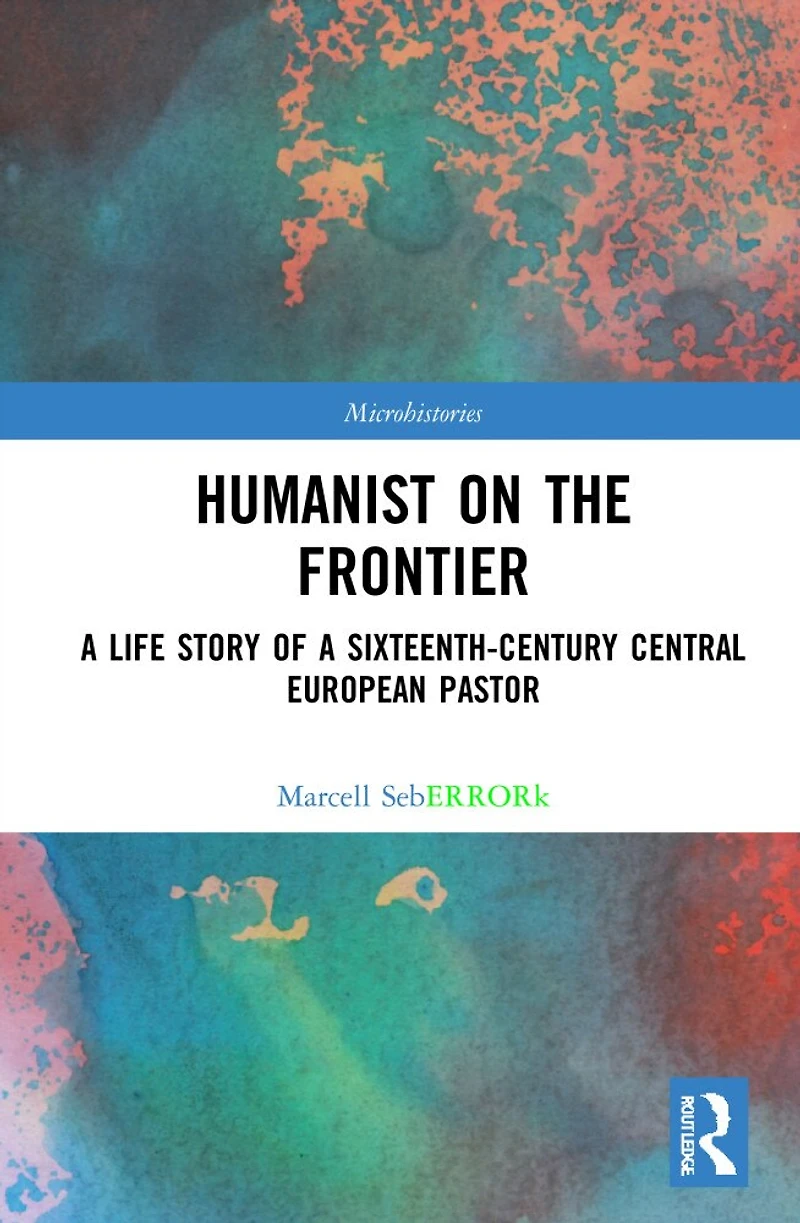
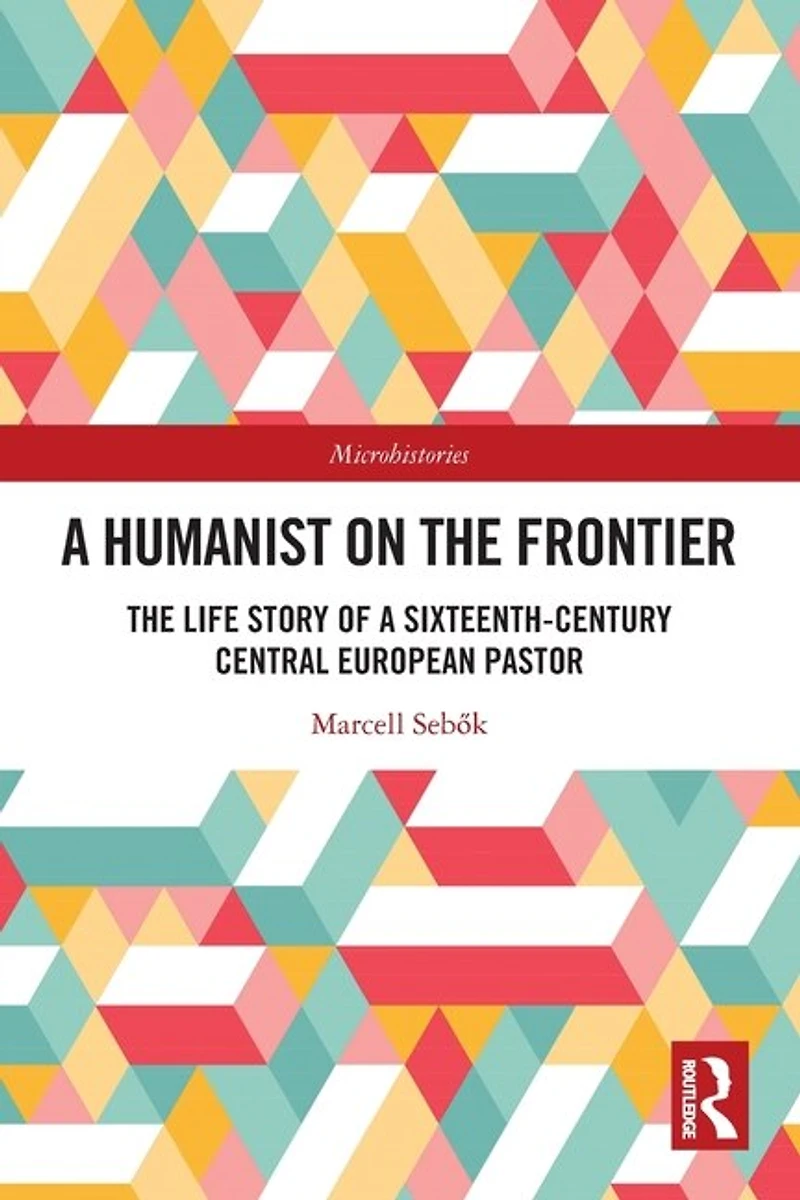
a Humanist on The Frontier: Life Story of Sixteenth-Century Central European Pastor
Coles
Loading Inventory...
a Humanist on The Frontier: Life Story of Sixteenth-Century Central European Pastor
By None
Current price: $296.50
Coles
a Humanist on The Frontier: Life Story of Sixteenth-Century Central European Pastor
By None
Current price: $296.50
Loading Inventory...
Size: Hardcover
*Product information and pricing may vary - to confirm current pricing, availability, shipping, and return information please contact Coles. In the event of a pricing discrepancy, the retailer's price will apply.
A Humanist on the Frontier explores the remarkable life of Sebastian Ambrosius, a sixteenth-century Lutheran minister and intellectual from Késmárk (now Kežmarok) in present-day Slovakia, formerly on the borderland of the Kingdom of Hungary. Through an examination of Ambrosius' publications and correspondence, this book throws new light on the dynamics of urban communities in Upper Hungary, communication within the humanist Republic of Letters in both Central European and wider European networks, and ecclesiastical controversies. Adopting methods of microhistory and cultural history, it also reconstructs Ambrosius' life by positioning him in various contexts that trace his relationship to, and interpretations of, themes of power, tradition, vocation, communication and identity. This book is essential reading for scholars and students of early modern European history, as well as those interested in microhistory, cultural history, and the Republic of Letters.
A Humanist on the Frontier explores the remarkable life of Sebastian Ambrosius, a sixteenth-century Lutheran minister and intellectual from Késmárk (now Kežmarok) in present-day Slovakia, formerly on the borderland of the Kingdom of Hungary. Through an examination of Ambrosius' publications and correspondence, this book throws new light on the dynamics of urban communities in Upper Hungary, communication within the humanist Republic of Letters in both Central European and wider European networks, and ecclesiastical controversies. Adopting methods of microhistory and cultural history, it also reconstructs Ambrosius' life by positioning him in various contexts that trace his relationship to, and interpretations of, themes of power, tradition, vocation, communication and identity. This book is essential reading for scholars and students of early modern European history, as well as those interested in microhistory, cultural history, and the Republic of Letters.
You May Also Like








More About Coles at Pine Centre
Shop Coles for bestselling books, toys, stationary, and so much more!
3079 Massey Dr, Prince George, BC V2N 1R4, Canada
Find Coles at Pine Centre in Prince George, BC
Visit Coles at Pine Centre in Prince George, BC
