

Gifting Made Simple
Give the Gift of ChoiceClick below to purchase a Pine Centre eGift Card that can be used at participating retailers at Pine Centre.Purchase HereHome
A Contemporary History of the Chinese Zheng
Coles
Loading Inventory...
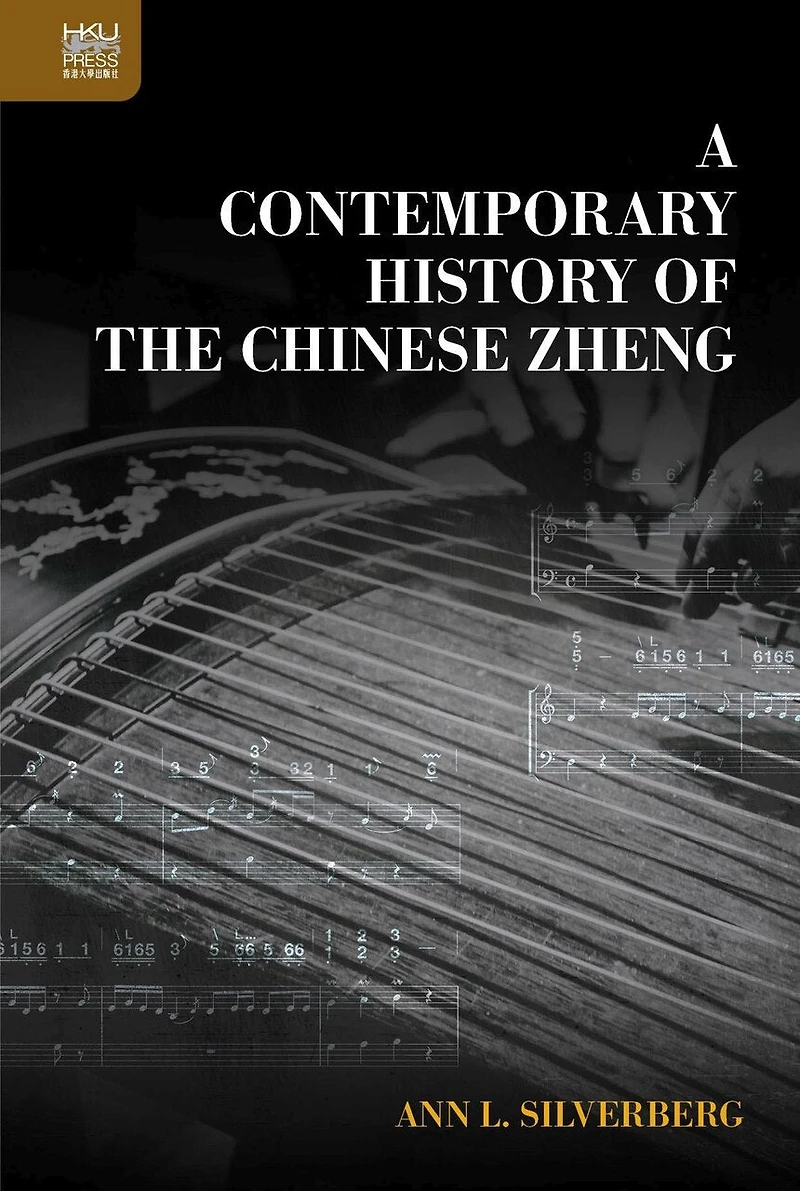
A Contemporary History of the Chinese Zheng
By None
Current price: $117.00
Coles
A Contemporary History of the Chinese Zheng
By None
Current price: $117.00
Loading Inventory...
Size: Hardcover
*Product information and pricing may vary - to confirm current pricing, availability, shipping, and return information please contact Coles. In the event of a pricing discrepancy, the retailer's price will apply.
A revisionist history of the Chinese zheng that the complex origins of a single instrument.
As the Chinese plucked zither known as the zheng was popularized in the twentieth and twenty-first centuries, its role in musical composition and virtuosic capacity made it into a stalwart standard of Chinese music. In the past, the zheng had appeared in small instrumental ensembles and supplied improvised accompaniments to song, becoming a means of nation-building that was eventually promoted as a marker of Chinese identity in Hong Kong. In Contemporary History of the Chinese Zheng , Ann L. Silverberg uses evidence from the greater China area to show how the narrative history of the zheng created on the mainland did not represent the true history of zheng music. This book contends that the restored “traditional Chinese music” created and promulgated from the 1920s forward—and solo zheng music in particular—is a hybrid of “Chinese essence, Western means” that essentially obscures rather than reveals tradition.
A revisionist history of the Chinese zheng that the complex origins of a single instrument.
As the Chinese plucked zither known as the zheng was popularized in the twentieth and twenty-first centuries, its role in musical composition and virtuosic capacity made it into a stalwart standard of Chinese music. In the past, the zheng had appeared in small instrumental ensembles and supplied improvised accompaniments to song, becoming a means of nation-building that was eventually promoted as a marker of Chinese identity in Hong Kong. In Contemporary History of the Chinese Zheng , Ann L. Silverberg uses evidence from the greater China area to show how the narrative history of the zheng created on the mainland did not represent the true history of zheng music. This book contends that the restored “traditional Chinese music” created and promulgated from the 1920s forward—and solo zheng music in particular—is a hybrid of “Chinese essence, Western means” that essentially obscures rather than reveals tradition.
You May Also Like














More About Coles at Pine Centre
Shop Coles for bestselling books, toys, stationary, and so much more!
3079 Massey Dr, Prince George, BC V2N 1R4, Canada
Find Coles at Pine Centre in Prince George, BC
Visit Coles at Pine Centre in Prince George, BC
