

Gifting Made Simple
Give the Gift of ChoiceClick below to purchase a Pine Centre eGift Card that can be used at participating retailers at Pine Centre.Purchase HereHome
A Clash of Color: Dialogues on Race, Caste, and Solidarity in the United States and India
Coles
Loading Inventory...
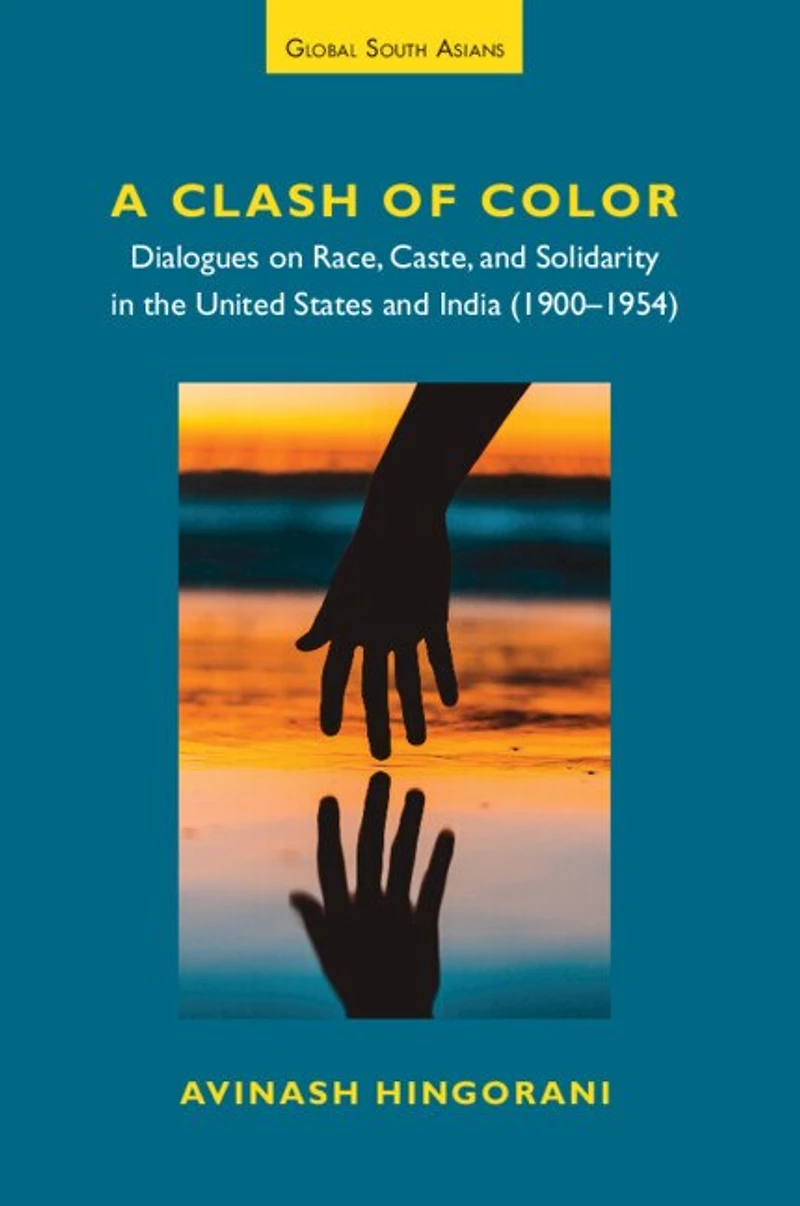
A Clash of Color: Dialogues on Race, Caste, and Solidarity in the United States and India
By None
Current price: $137.95
Coles
A Clash of Color: Dialogues on Race, Caste, and Solidarity in the United States and India
By None
Current price: $137.95
Loading Inventory...
Size: Hardcover
*Product information and pricing may vary - to confirm current pricing, availability, shipping, and return information please contact Coles. In the event of a pricing discrepancy, the retailer's price will apply.
The marginalization of Black Americans due to white supremacy and the oppression of Indians under British colonialism featured inescapable similarities. At the turn of the twentieth century, these parallels led Indian and Black nationalists, intellectuals, and activists to share their experiences and engage in dialogues towards improving the social status of their people. Specifically, Black internationalists such as W. E. B. Du Bois, Walter White, and Paul Robeson studied the Indian independence movement, and came to regard India as a template in the fight against white supremacy in the US. Similarly various Indians including Rabindranath Tagore, Lala Lajpat Rai, B. R. Ambedkar, and Taraknath Das theorized crucial parallels between race, colonialism and caste when studying the experiences of Black Americans. This book analyzes how they came together in their desire to overthrow the structures that subjugated them.
The marginalization of Black Americans due to white supremacy and the oppression of Indians under British colonialism featured inescapable similarities. At the turn of the twentieth century, these parallels led Indian and Black nationalists, intellectuals, and activists to share their experiences and engage in dialogues towards improving the social status of their people. Specifically, Black internationalists such as W. E. B. Du Bois, Walter White, and Paul Robeson studied the Indian independence movement, and came to regard India as a template in the fight against white supremacy in the US. Similarly various Indians including Rabindranath Tagore, Lala Lajpat Rai, B. R. Ambedkar, and Taraknath Das theorized crucial parallels between race, colonialism and caste when studying the experiences of Black Americans. This book analyzes how they came together in their desire to overthrow the structures that subjugated them.
You May Also Like










More About Coles at Pine Centre
Shop Coles for bestselling books, toys, stationary, and so much more!
3079 Massey Dr, Prince George, BC V2N 1R4, Canada
Find Coles at Pine Centre in Prince George, BC
Visit Coles at Pine Centre in Prince George, BC
