

Gifting Made Simple
Give the Gift of ChoiceClick below to purchase a Pine Centre eGift Card that can be used at participating retailers at Pine Centre.Purchase HereHome
70 Years of Population Policy: History of the Human Reproduction Program of the World Health Organisation 1950-2020
Coles
Loading Inventory...
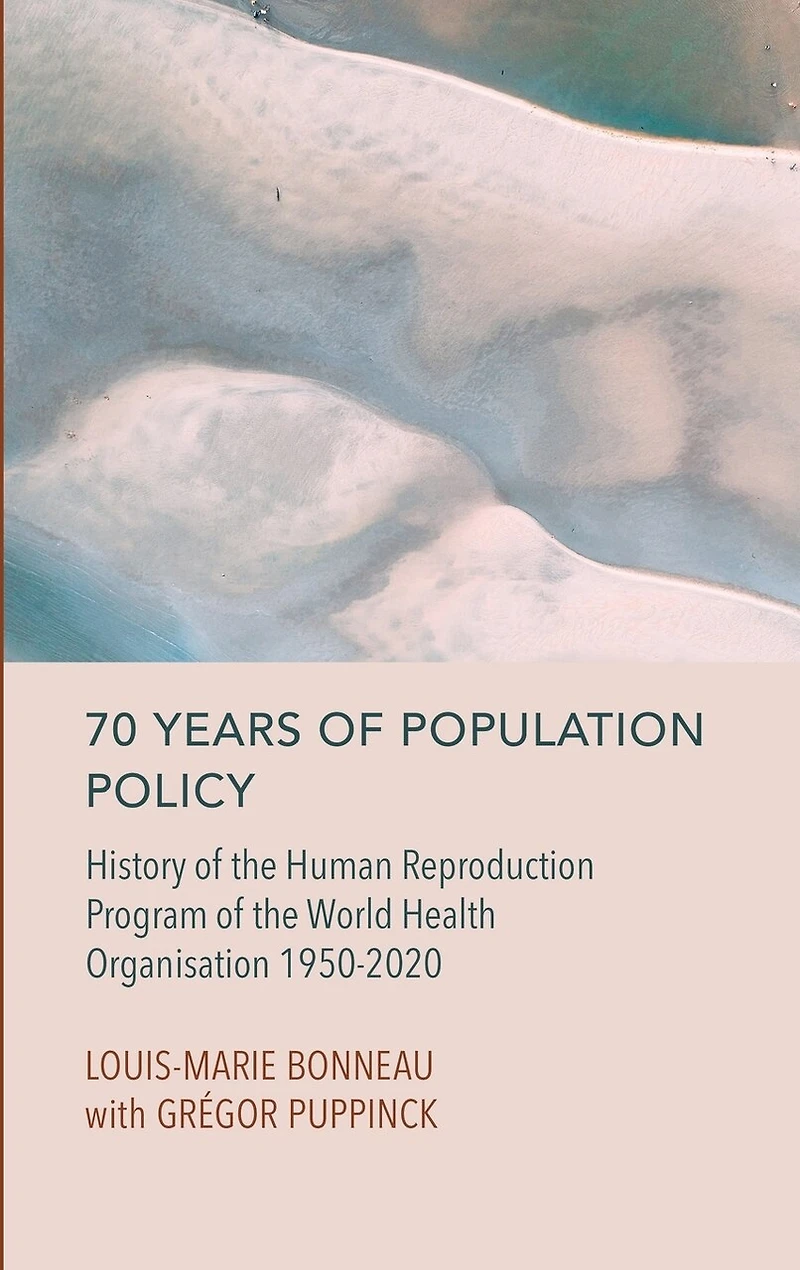
70 Years of Population Policy: History of the Human Reproduction Program of the World Health Organisation 1950-2020
By None
Current price: $169.95
Coles
70 Years of Population Policy: History of the Human Reproduction Program of the World Health Organisation 1950-2020
By None
Current price: $169.95
Loading Inventory...
Size: Hardcover
*Product information and pricing may vary - to confirm current pricing, availability, shipping, and return information please contact Coles. In the event of a pricing discrepancy, the retailer's price will apply.
In response to the close link between economic and population issues recognized by the United Nations in 1957, the World Health Organization (WHO) was prompted to address the concerns of developing nations dealing with slow economic growth and high population growth by 1964. Establishing the Human Reproduction Unit in 1965, WHO outlined its strategy in 1965, acknowledging the repercussions of population changes on health conditions. A pivotal development occurred in 1970 when global organizations convened to discuss a research program on human reproduction, leading to the creation of the Expanded Programme of Research, Development, and Research Training in Human Reproduction (HRP) in 1971. The HRP, with its scientifically authoritative and neutral methods, significantly contributed to the development of contraception methods, which are still in use today. Additionally, the program played a role in disseminating these methods through a discourse rooted in human rights principles. This historical narrative highlights WHO's enduring commitment to addressing global health challenges related to population and reproductive health.
In response to the close link between economic and population issues recognized by the United Nations in 1957, the World Health Organization (WHO) was prompted to address the concerns of developing nations dealing with slow economic growth and high population growth by 1964. Establishing the Human Reproduction Unit in 1965, WHO outlined its strategy in 1965, acknowledging the repercussions of population changes on health conditions. A pivotal development occurred in 1970 when global organizations convened to discuss a research program on human reproduction, leading to the creation of the Expanded Programme of Research, Development, and Research Training in Human Reproduction (HRP) in 1971. The HRP, with its scientifically authoritative and neutral methods, significantly contributed to the development of contraception methods, which are still in use today. Additionally, the program played a role in disseminating these methods through a discourse rooted in human rights principles. This historical narrative highlights WHO's enduring commitment to addressing global health challenges related to population and reproductive health.
You May Also Like
















More About Coles at Pine Centre
Shop Coles for bestselling books, toys, stationary, and so much more!
3079 Massey Dr, Prince George, BC V2N 1R4, Canada
Find Coles at Pine Centre in Prince George, BC
Visit Coles at Pine Centre in Prince George, BC
